
Our world in photos: June 5
Photos from around the world capture wildlife, sports, music, conflict, remembrance and daily life across five continents.


Photos from around the world capture wildlife, sports, music, conflict, remembrance and daily life across five continents.

A set of editorial cartoons satirize Trump, media conflicts, free speech, immigration, war and global politics.

Photos capture celebrations, sports, drought and public life across Europe, the Middle East and the United States.

Police are investigating groups seen entering and exiting Brooklyn manholes in Gravesend and Williamsburg overnight.

Six defendants were arraigned in Brooklyn in an alleged $11 million pandemic relief fraud and construction loan scheme.

A Bronx man was indicted in Brooklyn on hate crime charges for allegedly attacking a gay victim on a subway train.

Editorial cartoons depict Trump, courts, media, and global conflicts through political satire and commentary by multiple artists.

A global photo roundup captures political hearings in Washington, a New York Stock Exchange debut, Vatican audiences and everyday life.

Officials from the newly launched Office of Community Safety haven’t yet spoken with anyone from the NYPD about collaboration.
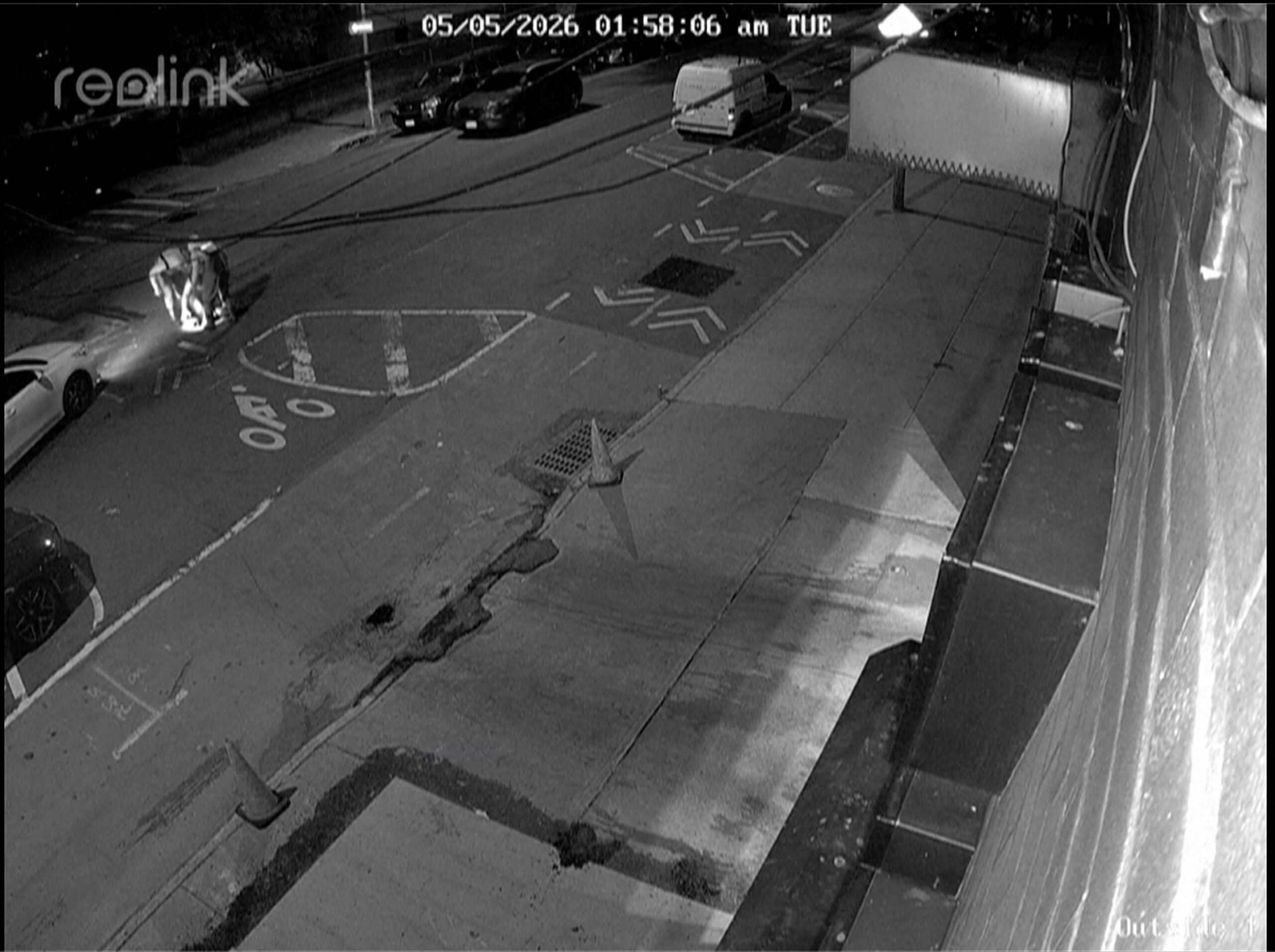
A series of bizarre sightings of people popping in and out of NYC’s subterranean sewer system has the city wondering what exactly is going on.

Taa Grays becomes first Black woman president of the New York State Bar Association in its 150-year history, marking a historic milestone.

A collection of editorial cartoons exploring politics, war, AI, and culture from leading international artists.
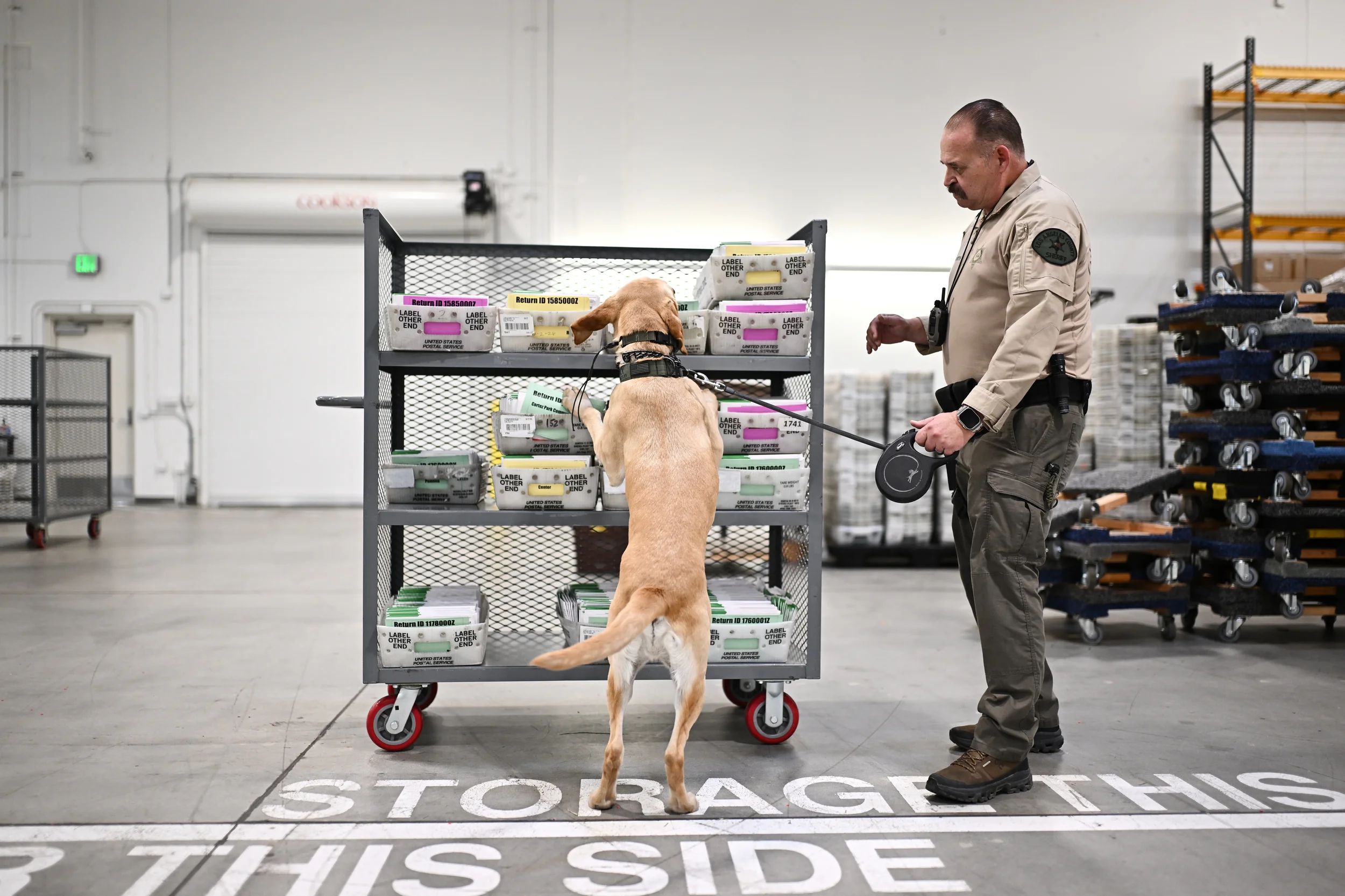
Photos capture election ballots, French Open action, court challenges, NBA Finals and healthcare struggles worldwide.

Editorial cartoons satirize climate policy, gas prices, Trump, Iran tensions and Alberta separatism in a global political roundup.

Judge Matthew D’Emic urges Bay Ridge lawyers to prioritize ethics and the common good in a final CLE talk of the season.

More than 400 attended the Brooklyn Women’s Bar Association gala, which honored four legal leaders and celebrated a year of growth.

Global photos show children’s events in North Korea, Pride in Bangkok, tennis in Paris, storms in Germany, conflict, sports, and elections.
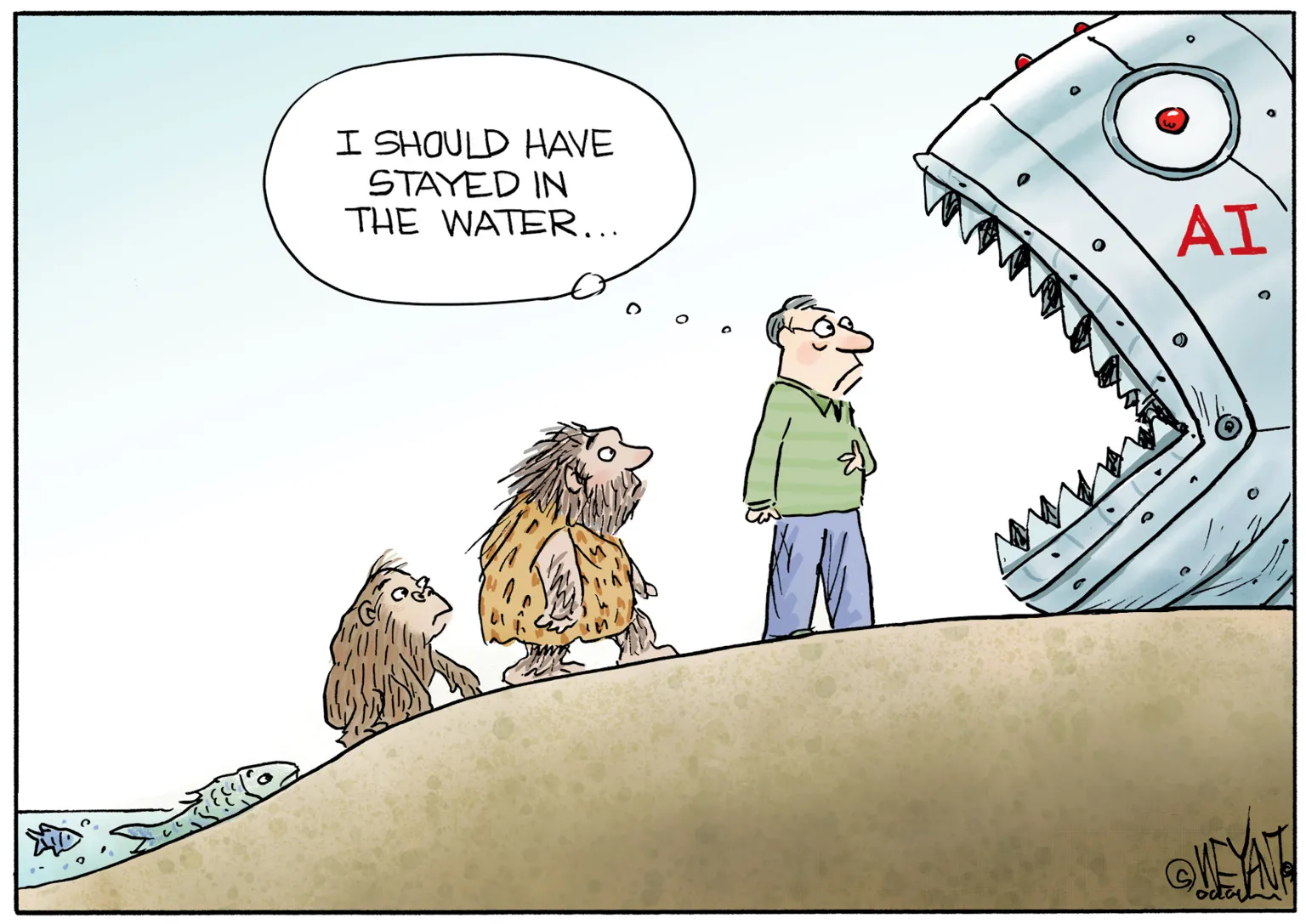
Editorial cartoons satirize AI, Trump, ICE, big tech, and global politics in a sharp political humor roundup.

Global photos capture daily life, sports, nature, flooding, and unique moments from India, Curaçao, Syria, Europe, and the U.S.

The thefts occurred at locations all across the park, including by the ballfields, the boathouse and the Parade Grounds.
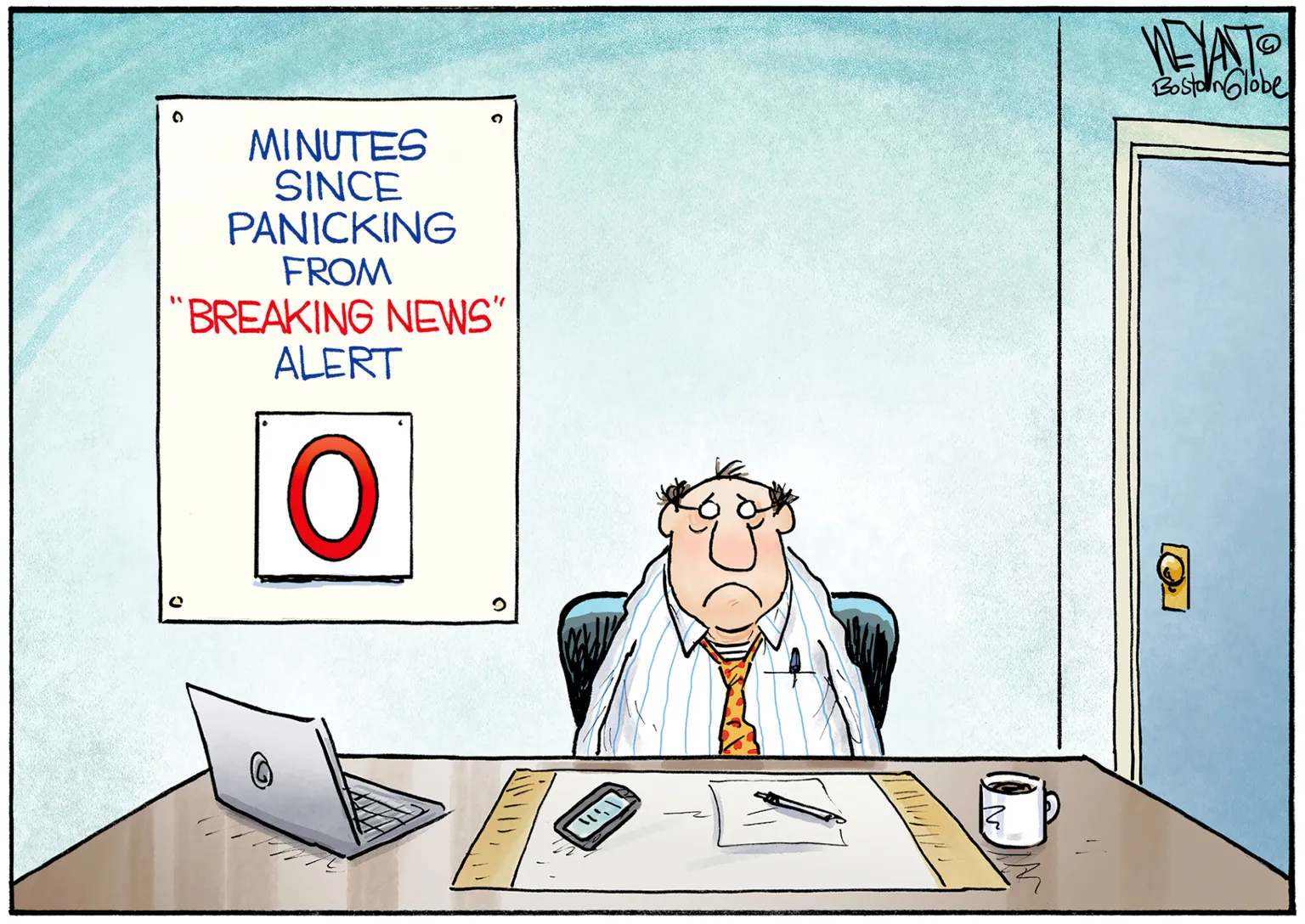
Editorial cartoons satirize Trump, Iran tensions, ICE detention, global conflict health issues, and political chaos.

Global photos capture Eid prayers, the Spelling Bee, French Open tennis, humanoid robots and protests outside an ICE facility.
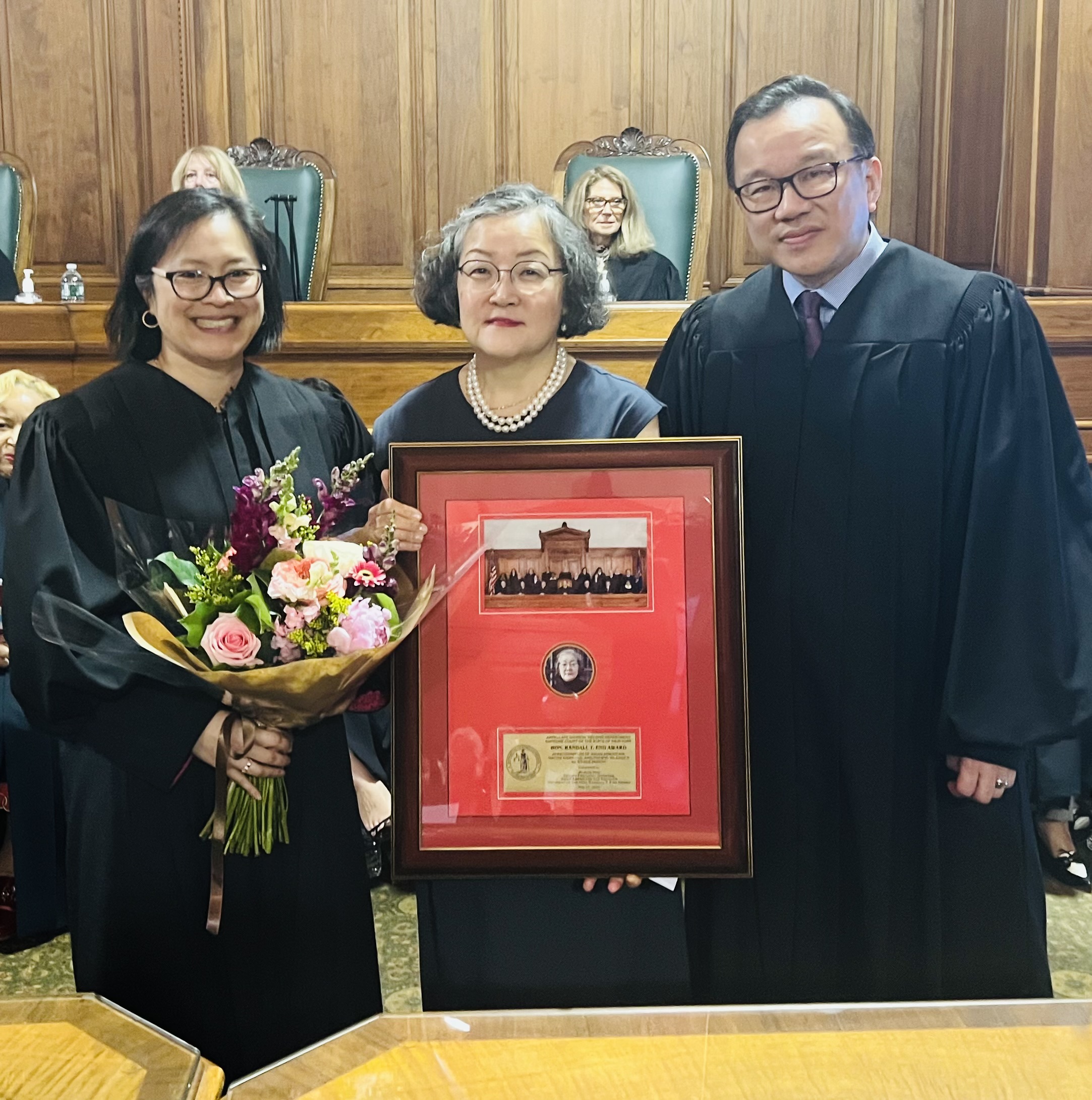
New York’s Appellate Division honored Asian American, Native Hawaiian and Pacific Islander legal leaders at the annual Randall Eng Awards.

Brooklyn Inns of Court event examines cybersecurity risks and AI hallucinations in legal filings and court procedures.

Editorial cartoons highlight inflation, political conflict, Trump, Iran tensions, and tech-health obsessions in a satirical global roundup.
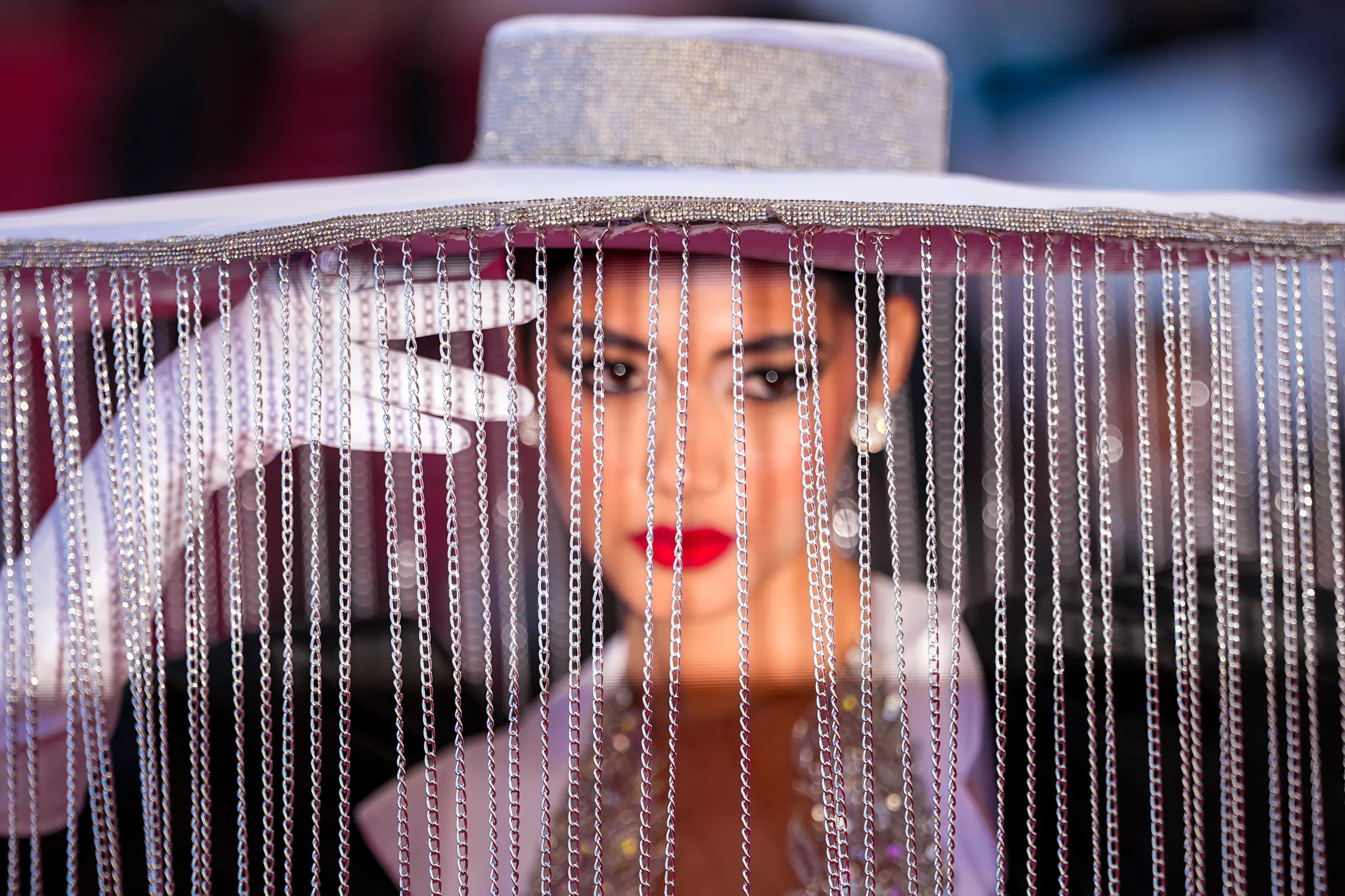
Cannes, sports, religion, war, and politics are captured in a global photo roundup showing key moments from around the world.

Editorial cartoons cover political divide, Trump, global conflicts, health crises, and tech issues in a satirical roundup.

A selection of global news photos captures moments from Lebanon, Paris, Washington, the West Bank, England, and Mecca.

Editorial cartoons explore U.S. politics, Trump, GOP divisions, Iran tensions, taxes, and global events through sharp satire.

First Deputy Chief Administrative Judge Norman St. George reflects on his career in the NY courts and his father’s influence.
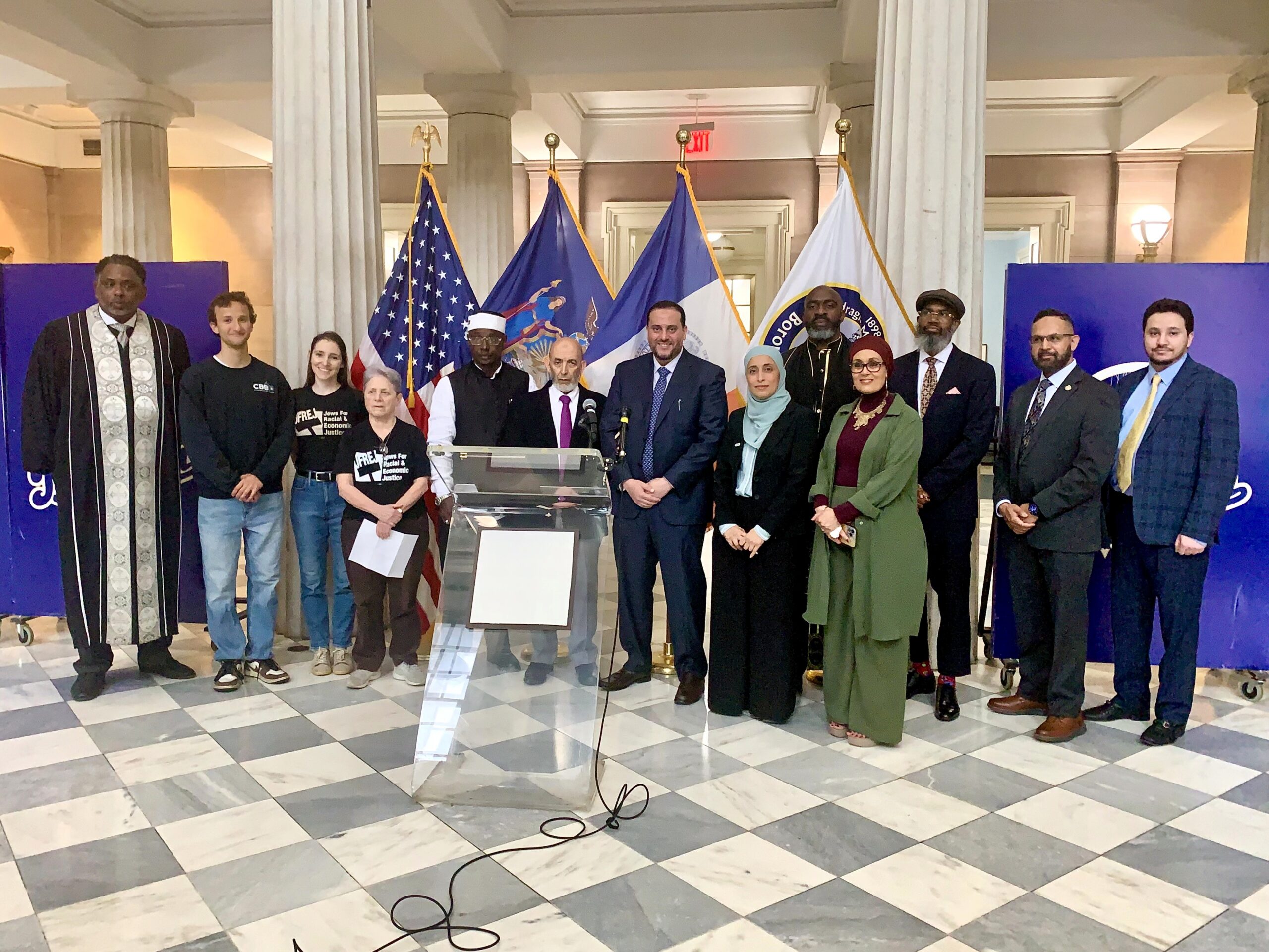
The speakers, who ranged from imams to ministers to councilmembers, called Vernikov’s comment “dangerous” and “incendiary.”

A selection of international news photos shows wildlife, markets, sports, and cultural and religious events around the world.

Editorial cartoons reflect politics, global tensions, AI and Memorial Day themes in a wide-ranging visual commentary.

The Kings County Civil Court honored the histories, cultures and contributions of Asian American and Pacific Islander communities.

Photos from around the world capture refugees, sports, royalty, film festivals and Memorial Day preparations.

Editorial cartoons explore U.S. politics, Memorial Day, and global leaders with satire on Trump, Biden-era issues, and world events.