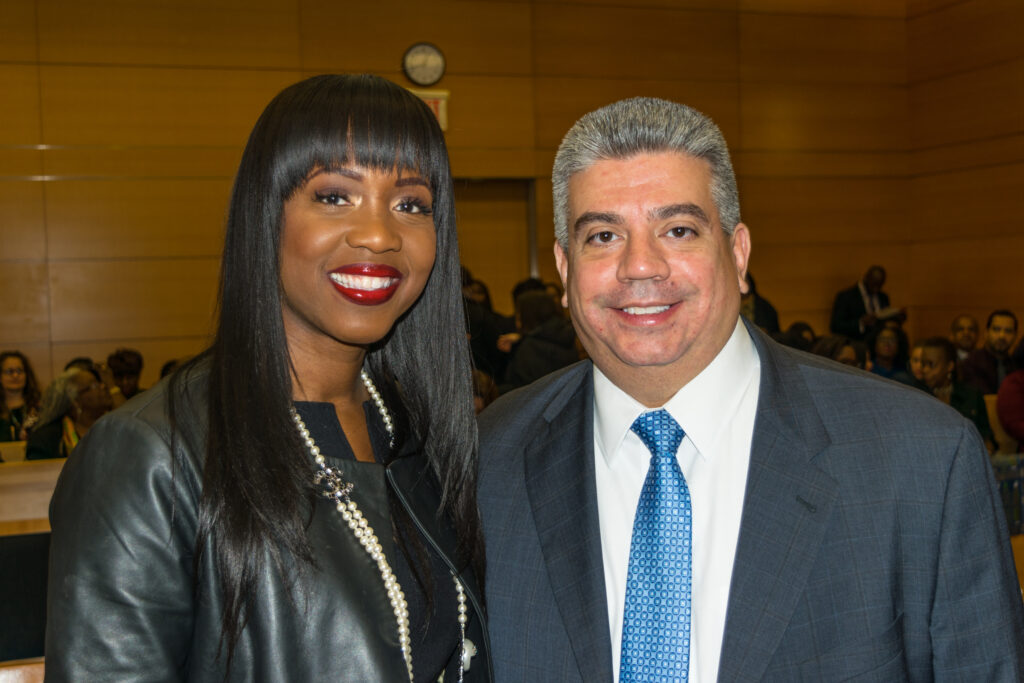
Brooklyn legal community’s suit drive for reentry support going on now!
The Brooklyn legal community is hosting a suit drive to help individuals...
News
The Brooklyn legal community is hosting a suit drive to help individuals...
News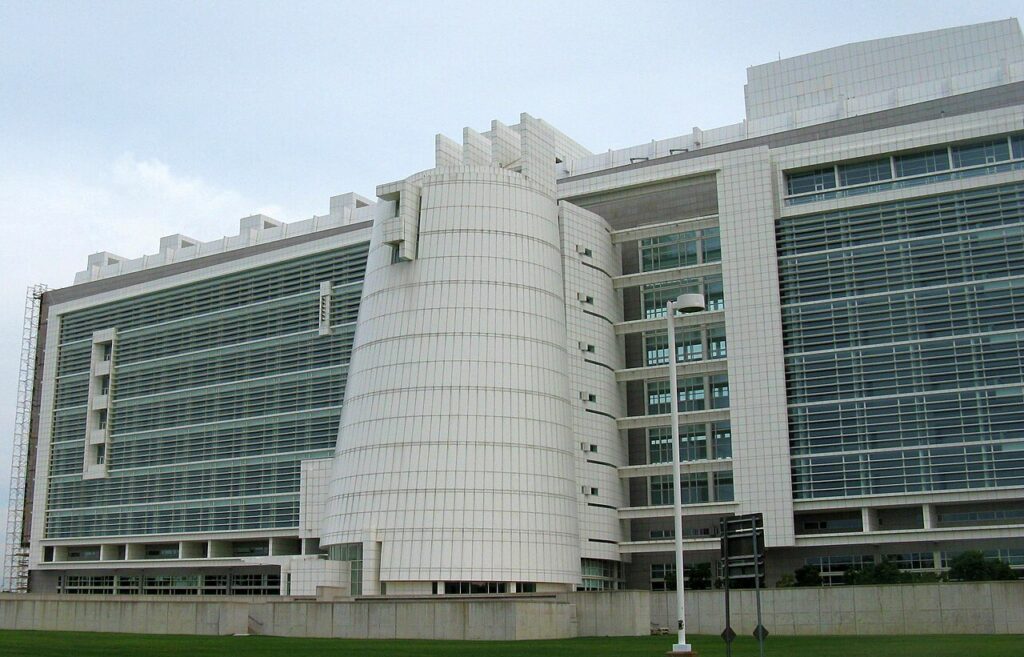
Fredy Ivan Jandres-Parada, also known as “Lucky de Park View...
News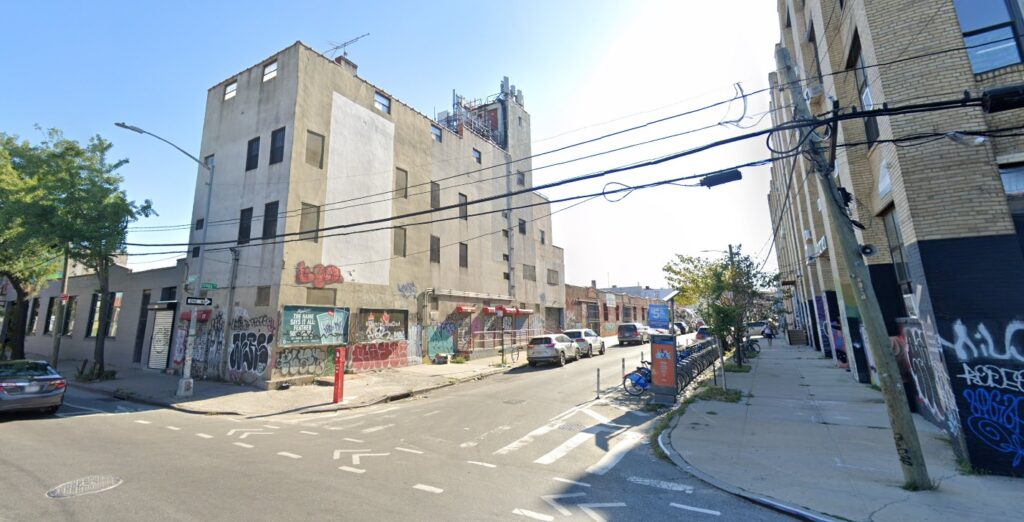
Ramel Chapman, 32, was slammed with a life sentence without parole after...
News
RED HOOK — The Brooklyn Waterfront Artists Coalition opened its doors on the...
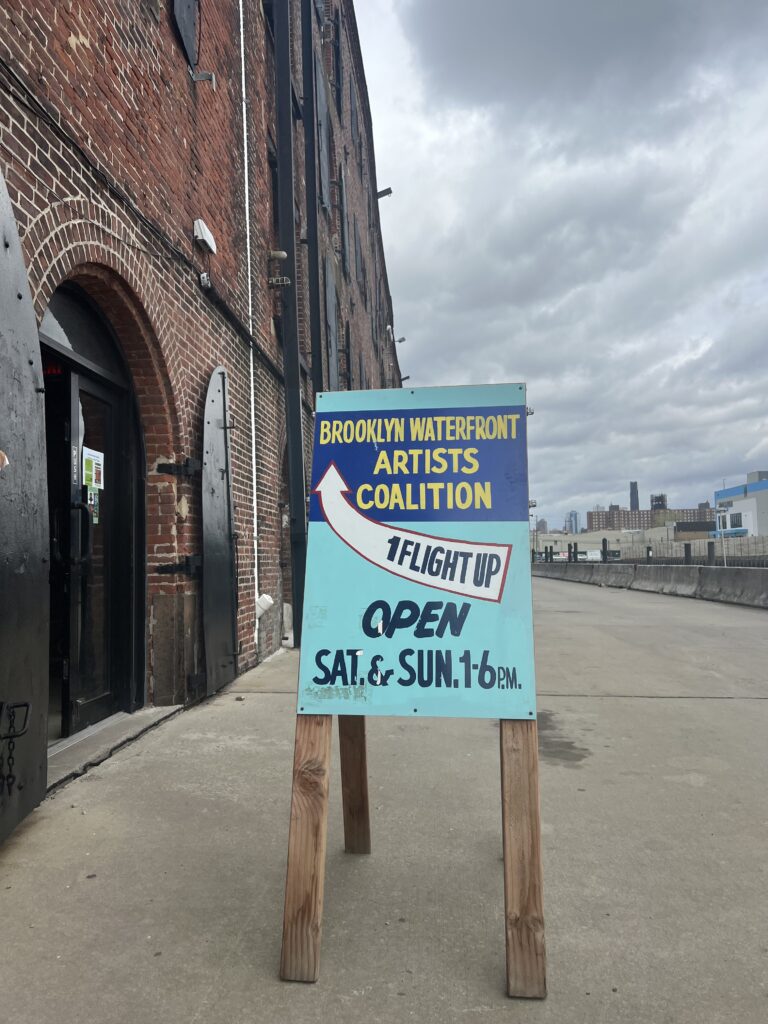
RED HOOK — In spite of the intense, blustery winds and cresting waves...

BUSHWICK — It took a village to make a village, and it happened...

BUSHWICK — This week, Camber Property Group and RiseBoro Community Partnership co-hosted...
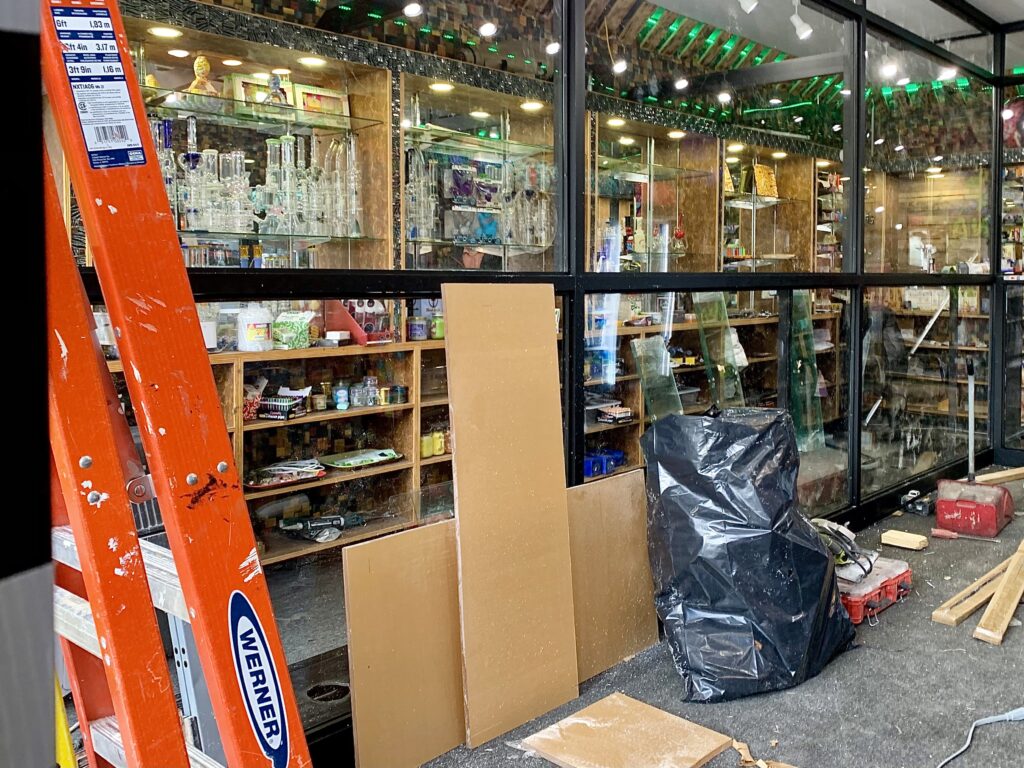
BROOKLYN HEIGHTS — Workers at an illicit weed outlet in Brooklyn Heights are...
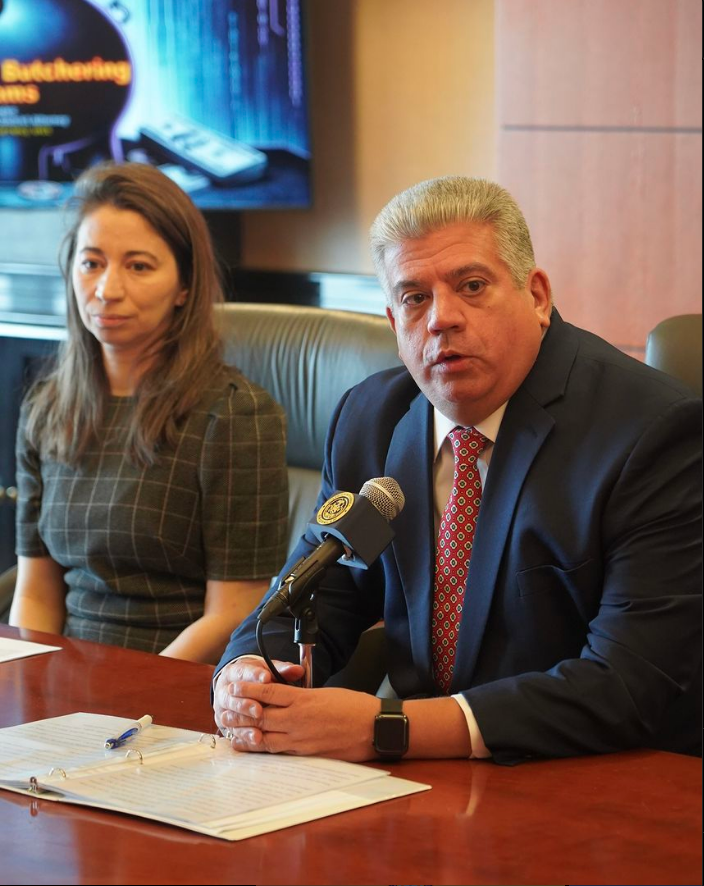
JAY STREET — Brooklyn DA Eric Gonzalez has announced that his Virtual Currency...
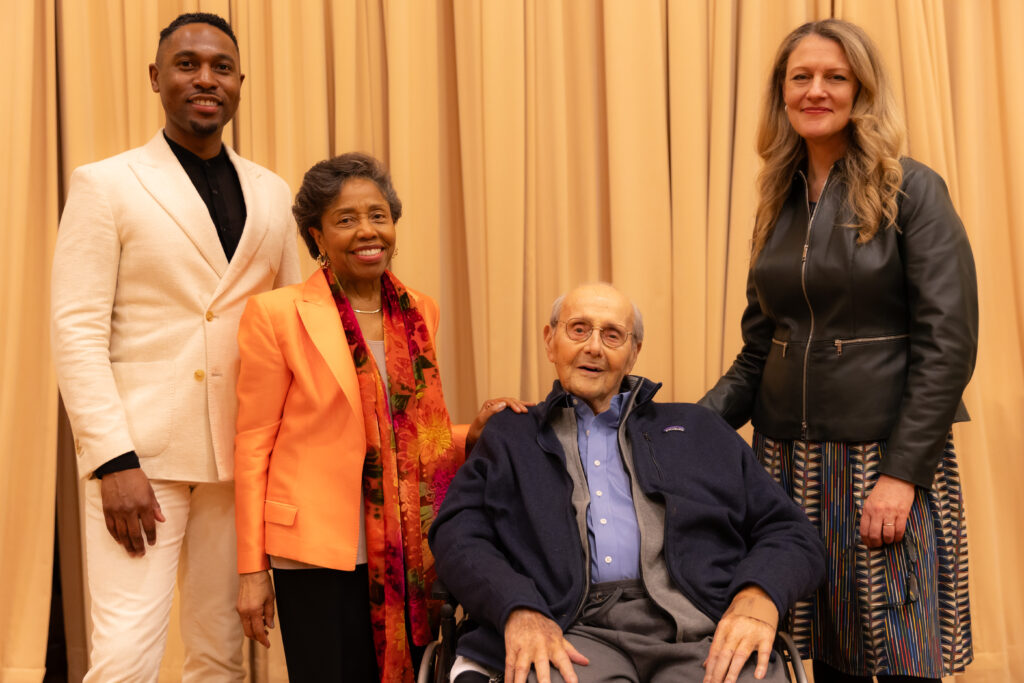
FLATBUSH — Thanks to the generosity of the Tow Foundation, more specifically Leonard...

FLATBUSH — Pulitzer Prize-winner and Kennedy Center honoree Tania León returned...

BAY RIDGE — Red carpet is being rolled out more and more in...
BAY RIDGE — Roll out the red carpet! The Bay Ridge Center (BRC...

A man was arrested Thursday for allegedly taking a decommissioned New York...
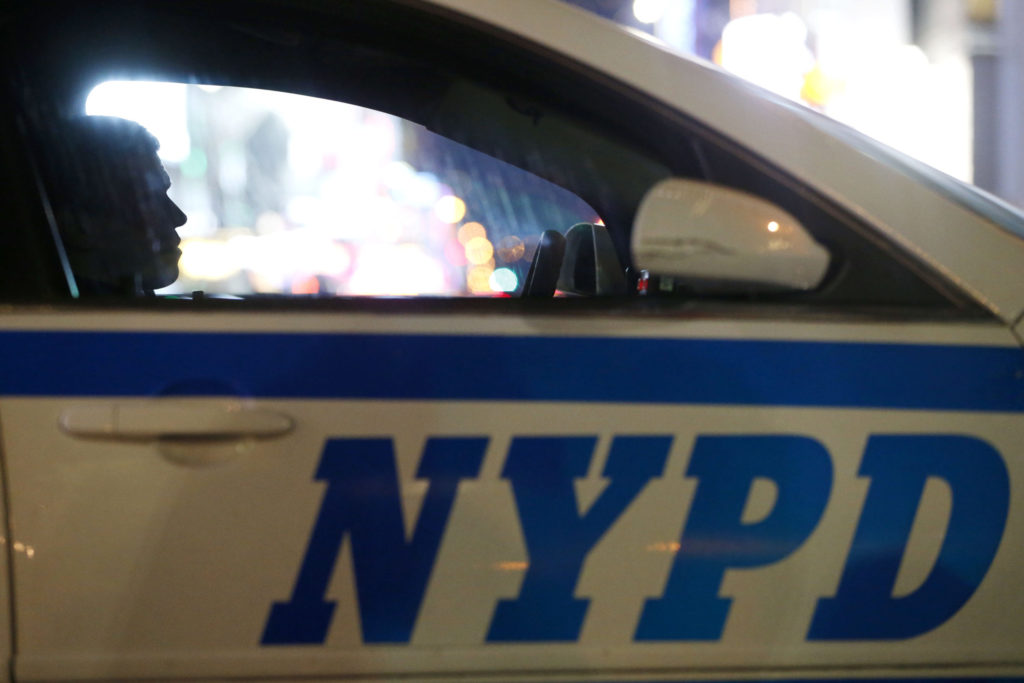
A New York City man has been charged with murder in connection...

Though she only appeared in 10 games off the bench and put...

Often I have quoted the adage, “Only the good die young.” This...
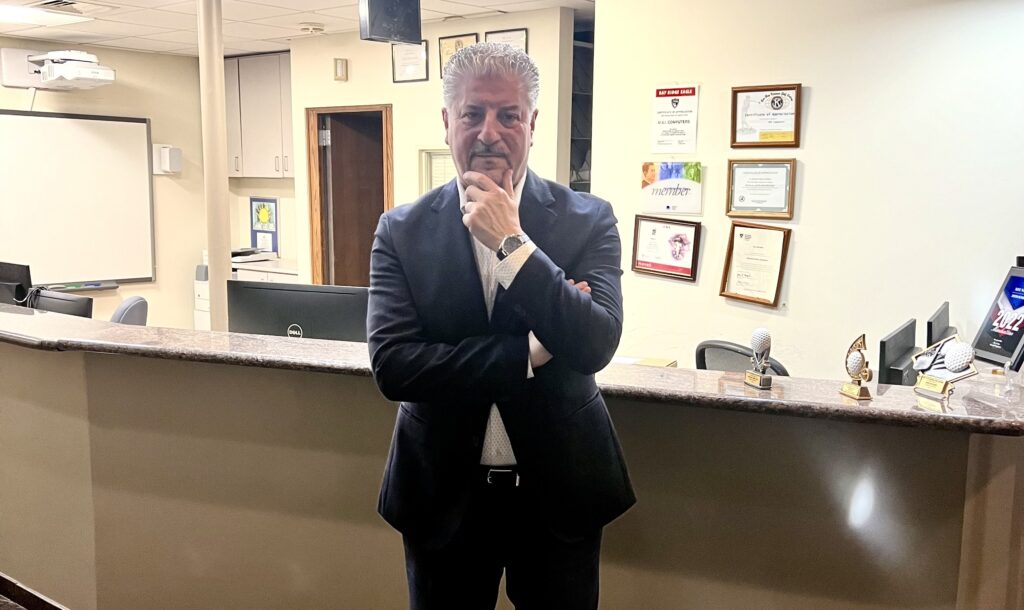
BAY RIDGE – John Abi-Habib is all about foresight and being on...
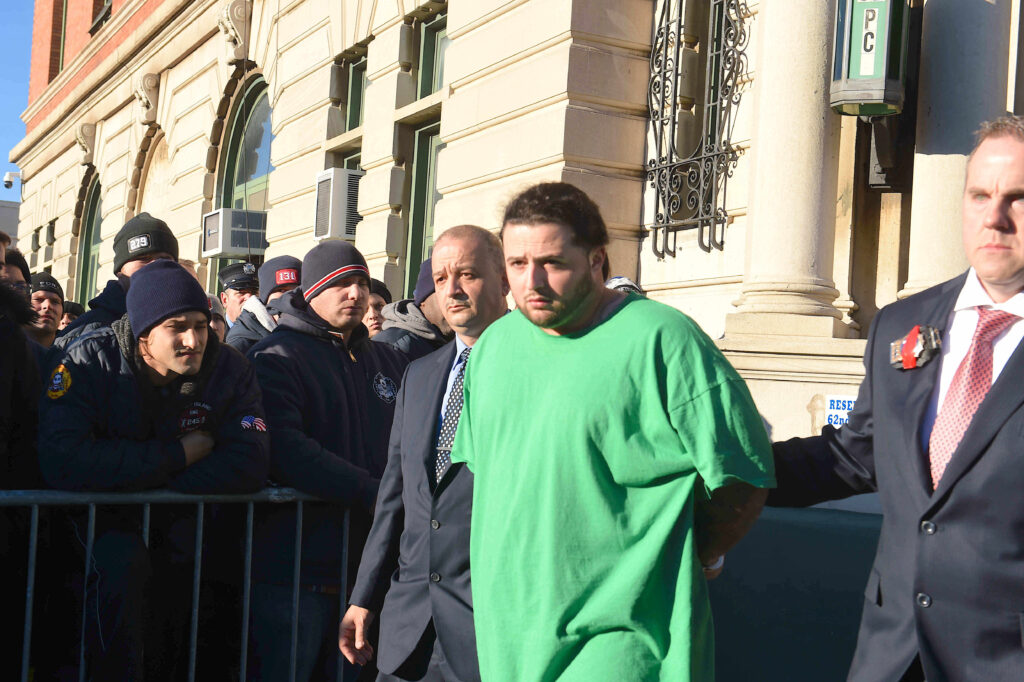
A Staten Island man pleaded not guilty on Tues., Dec. 18 for...
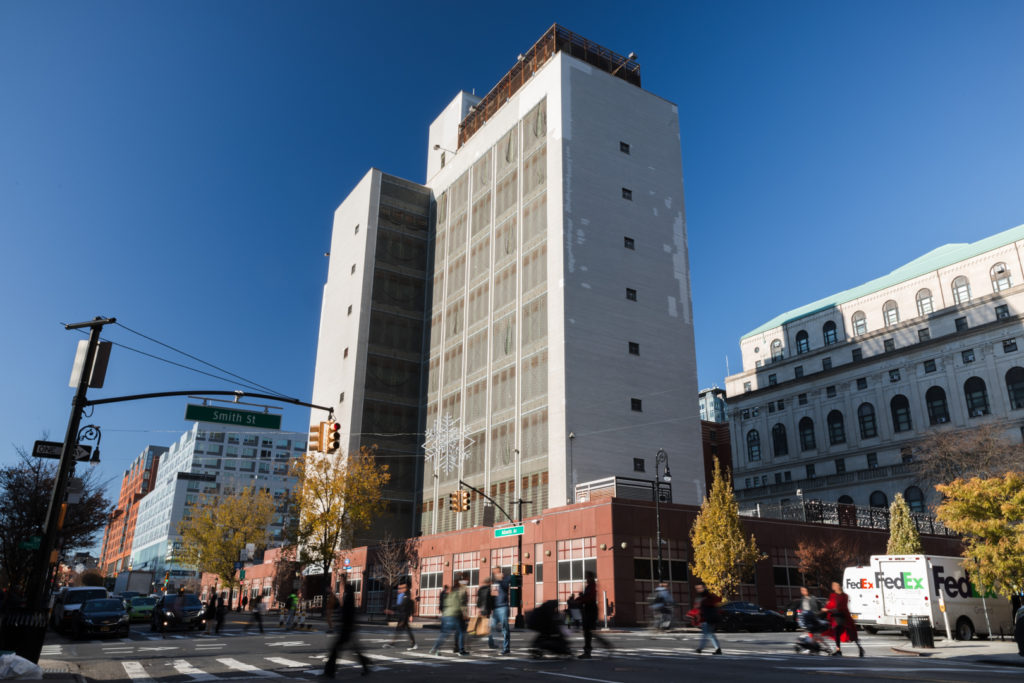
ATLANTIC AVENUE — This week, the Department of Transportation installed three mid-block...

DYKER HEIGHTS — After the death of yet another pedestrian — this time at...