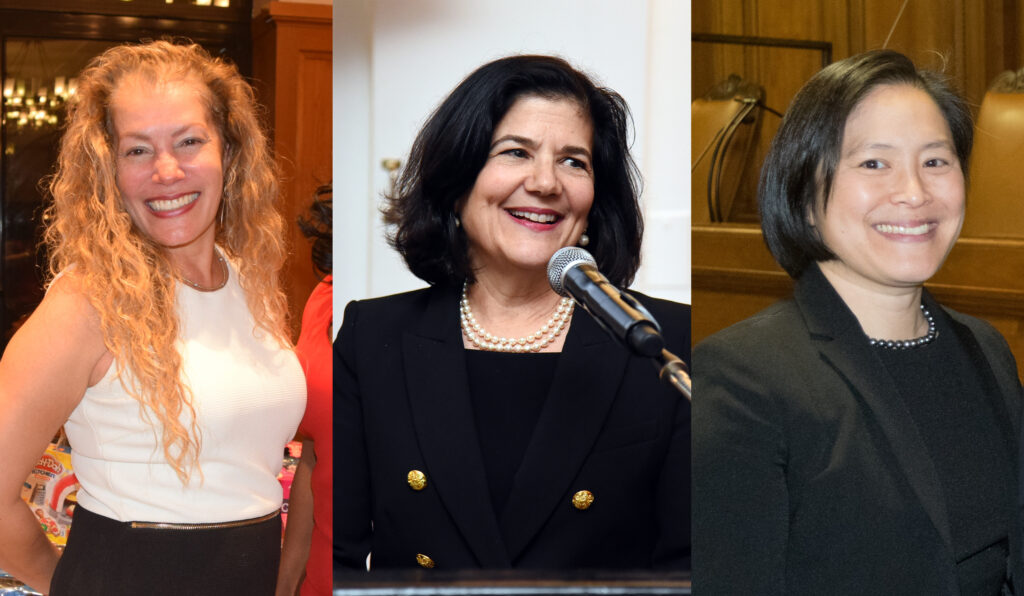
Brooklyn Women’s Bar Association to honor three esteemed legal figures at annual gala
The Brooklyn Women’s Bar Association is set to host its...
News
The Brooklyn Women’s Bar Association is set to host its...
News
ONE QUEENS-BOUND LANE OF BQE CLOSED UNTIL MAY 10 BROOKLYN HEIGHTS...
News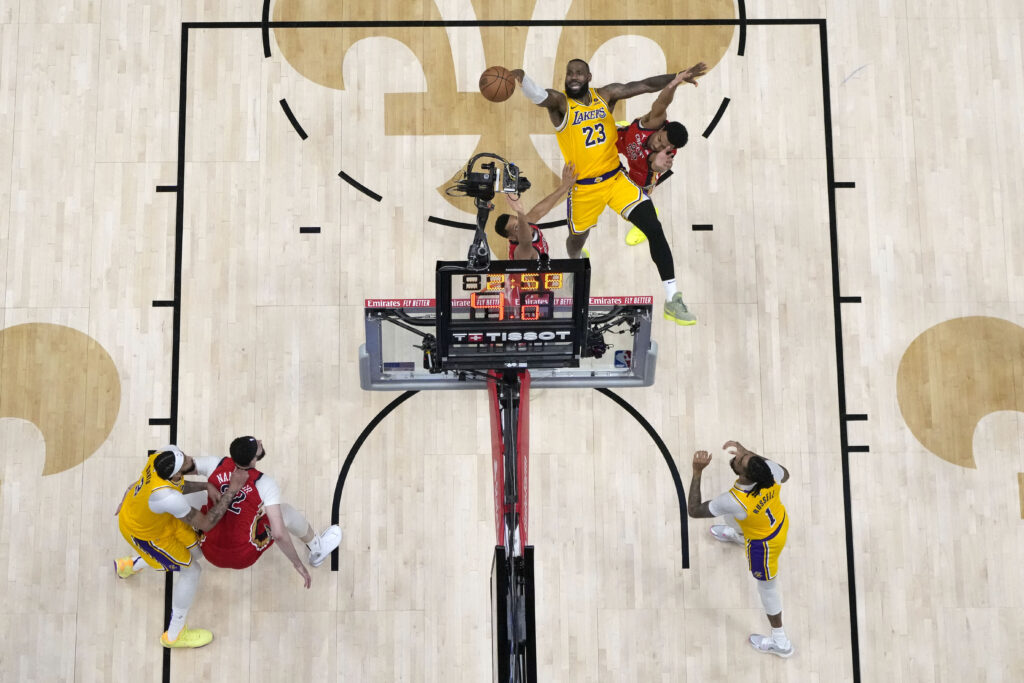
NEW ORLEANS — Watching big birds fly: Los Angeles Lakers forward LeBron James...
News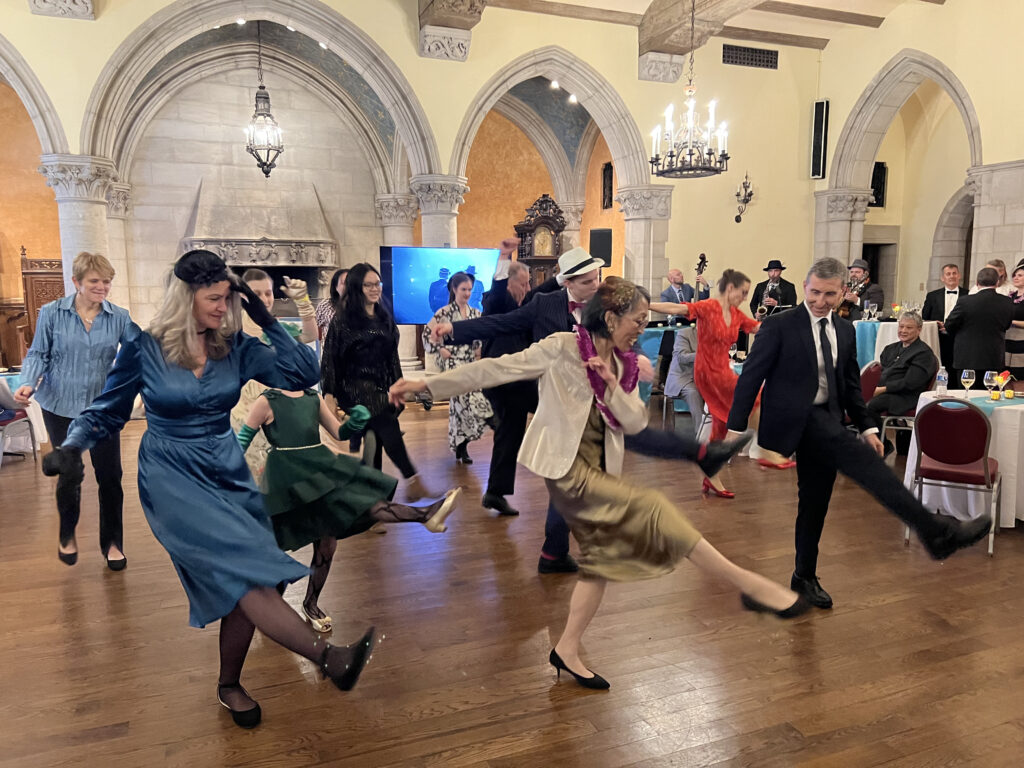
GRAVESEND — Nestled away in the south-central section of Brooklyn, Gravesend, one...
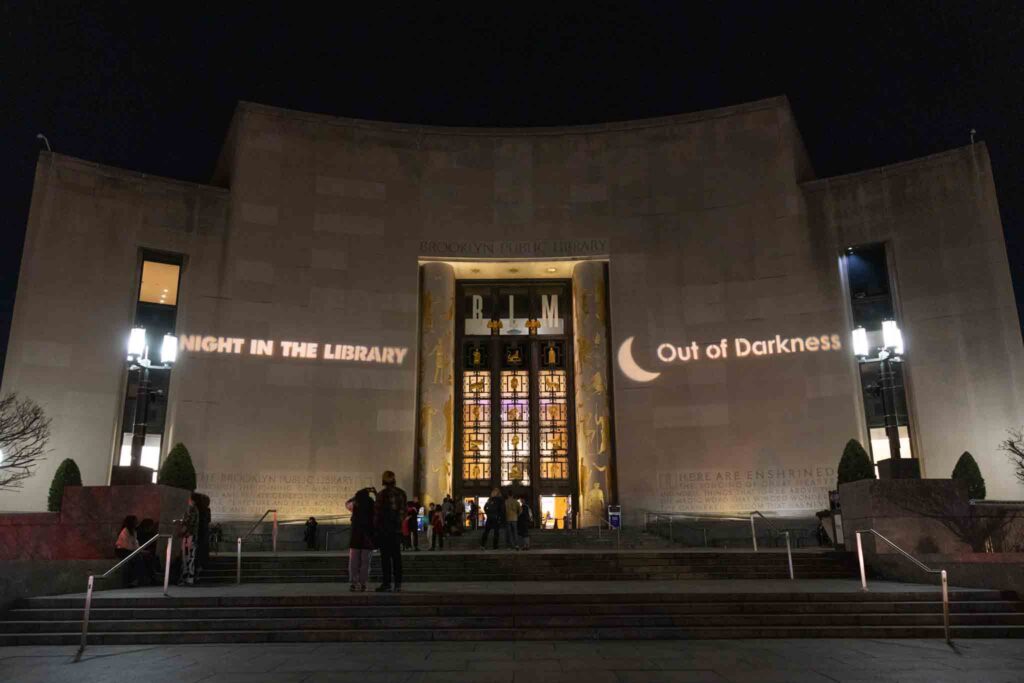
GRAND ARMY PLAZA — Brooklyn Public Library hosted the eighth annual Night in...

BUSHWICK — It took a village to make a village, and it happened...

BUSHWICK — This week, Camber Property Group and RiseBoro Community Partnership co-hosted...
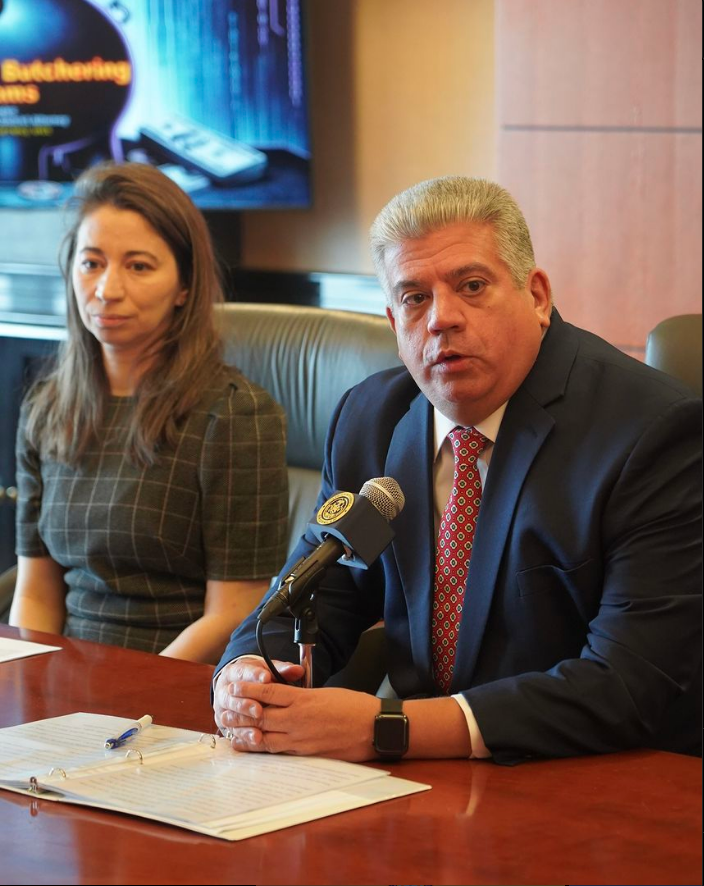
JAY STREET — Brooklyn DA Eric Gonzalez has announced that his Virtual Currency...
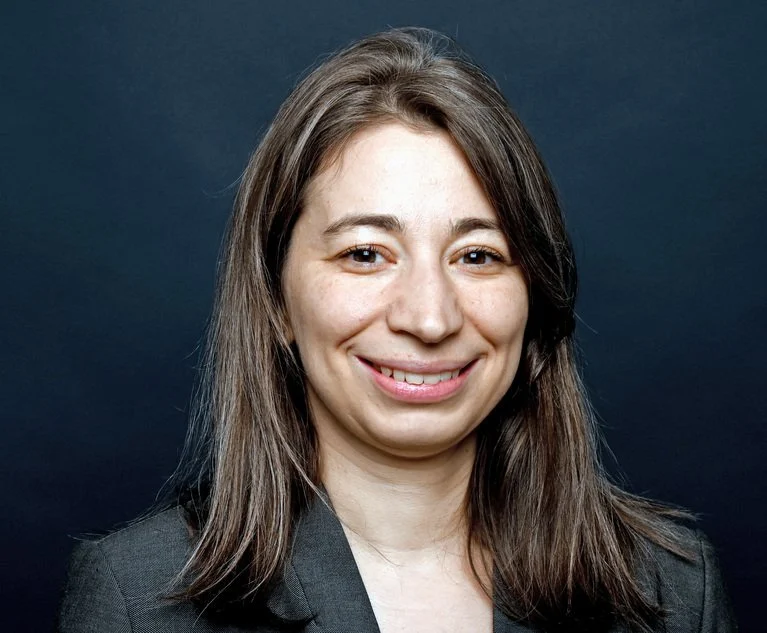
JAY STREET — Working with elaborate detail and website analysis, an investigative unit...
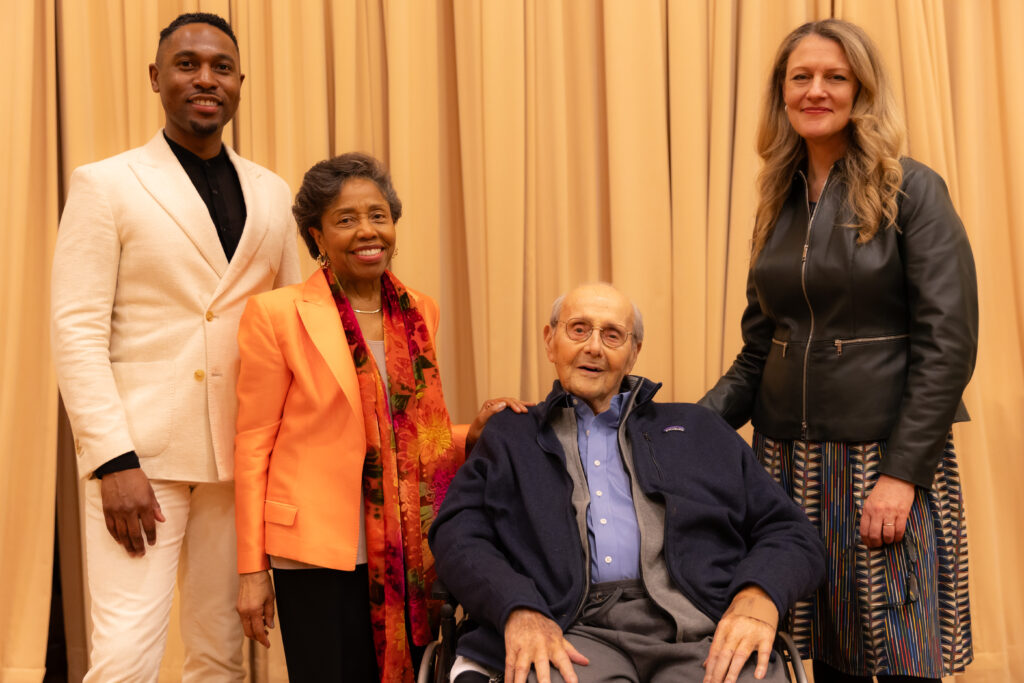
FLATBUSH — Thanks to the generosity of the Tow Foundation, more specifically Leonard...

FLATBUSH — Pulitzer Prize-winner and Kennedy Center honoree Tania León returned...
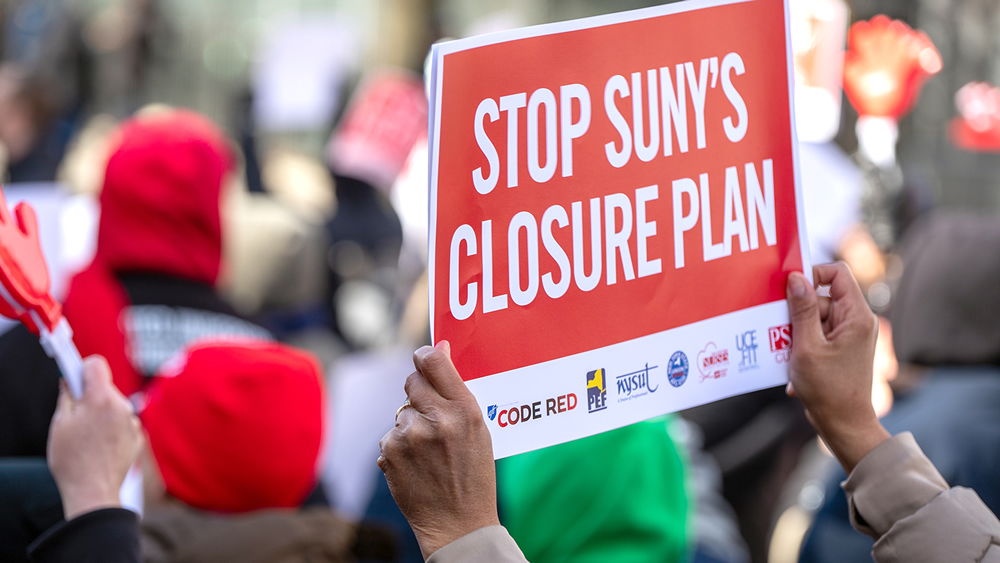
SUNY Chancellor John B. King Jr. announced a plan Jan. 16 to...
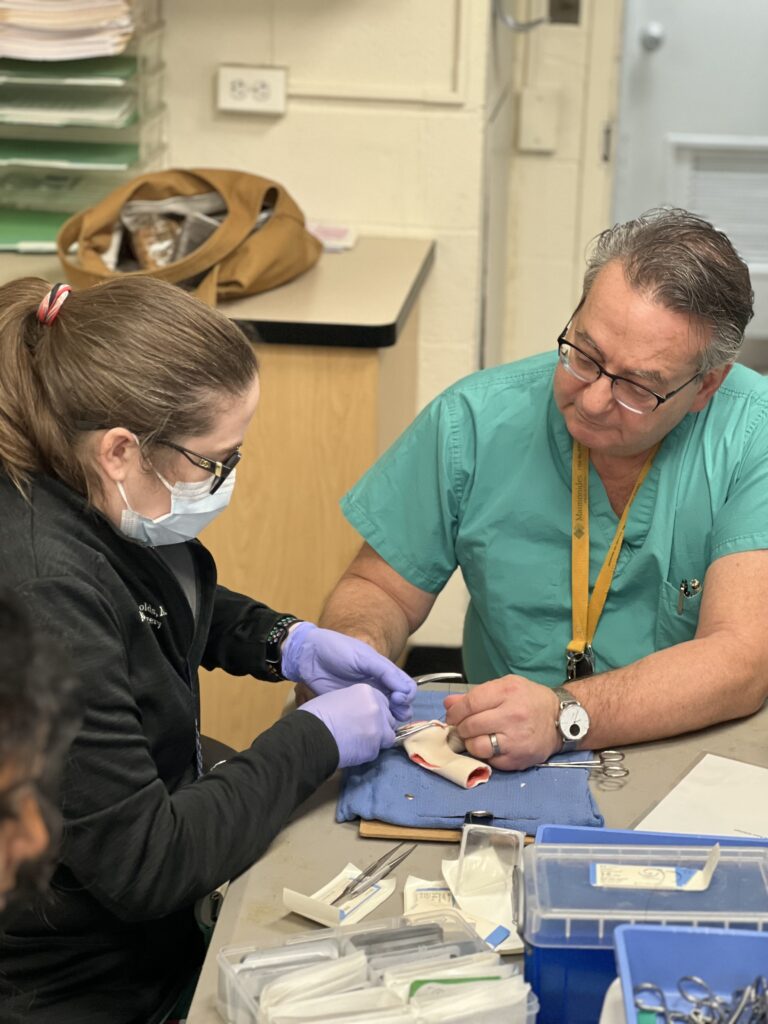
BOROUGH PARK — While the surgical profession is still a largely male-dominated...

A man was arrested Thursday for allegedly taking a decommissioned New York...
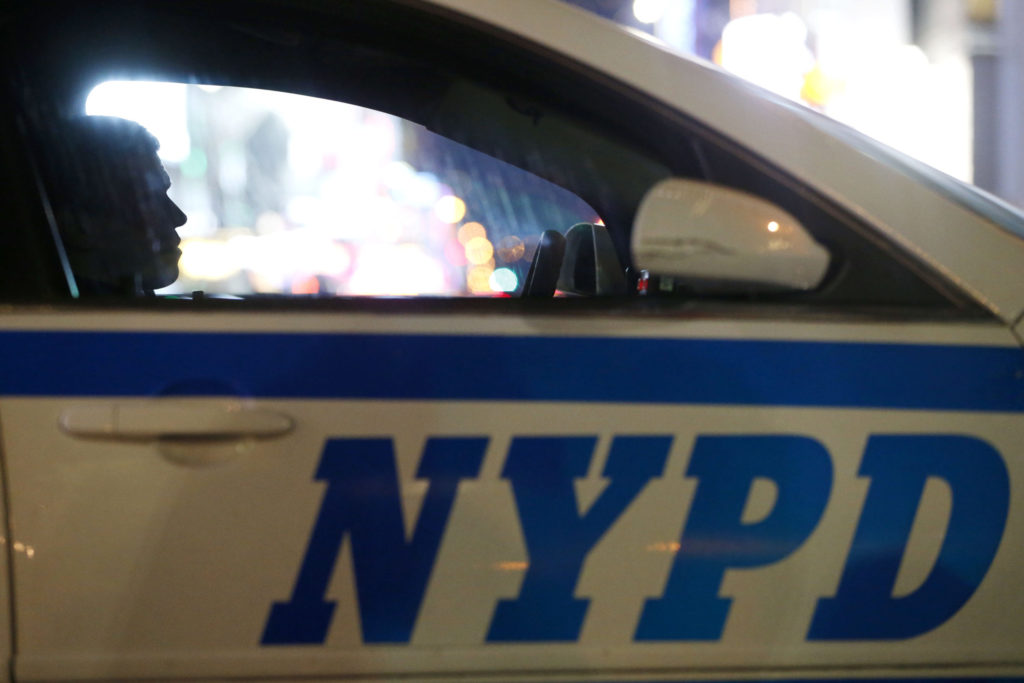
A New York City man has been charged with murder in connection...
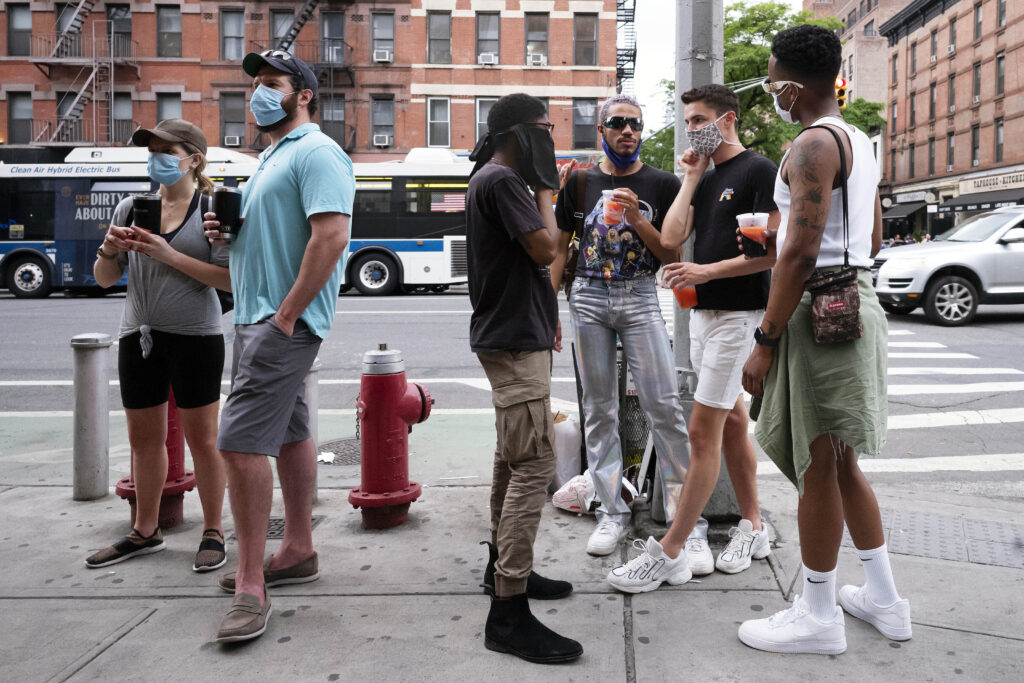
New York would expand access to booze by allowing movie theaters to...
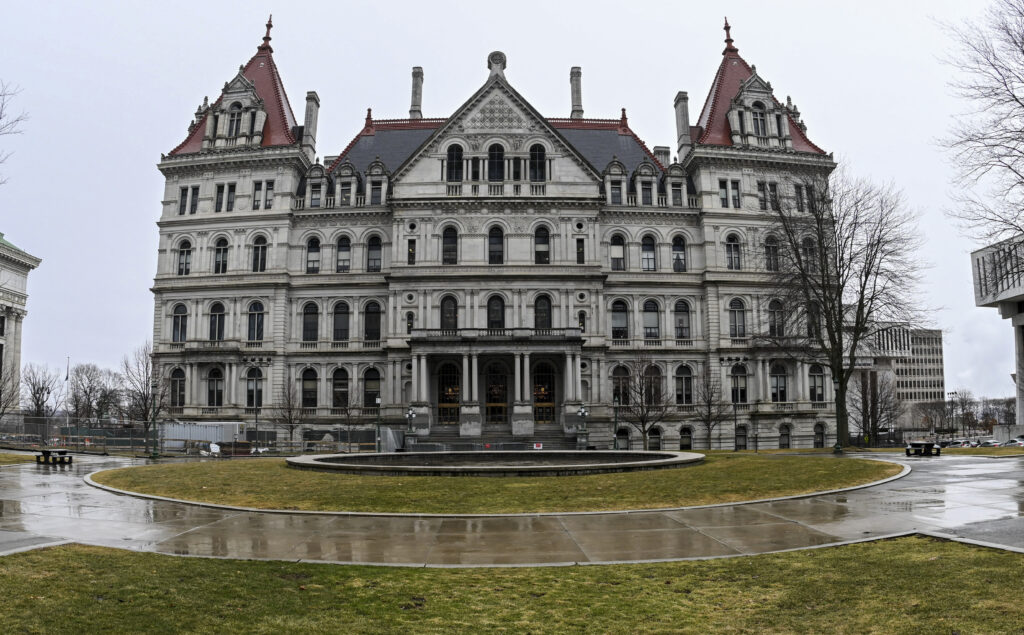
The New York state Legislature’s bill drafting office was hit...
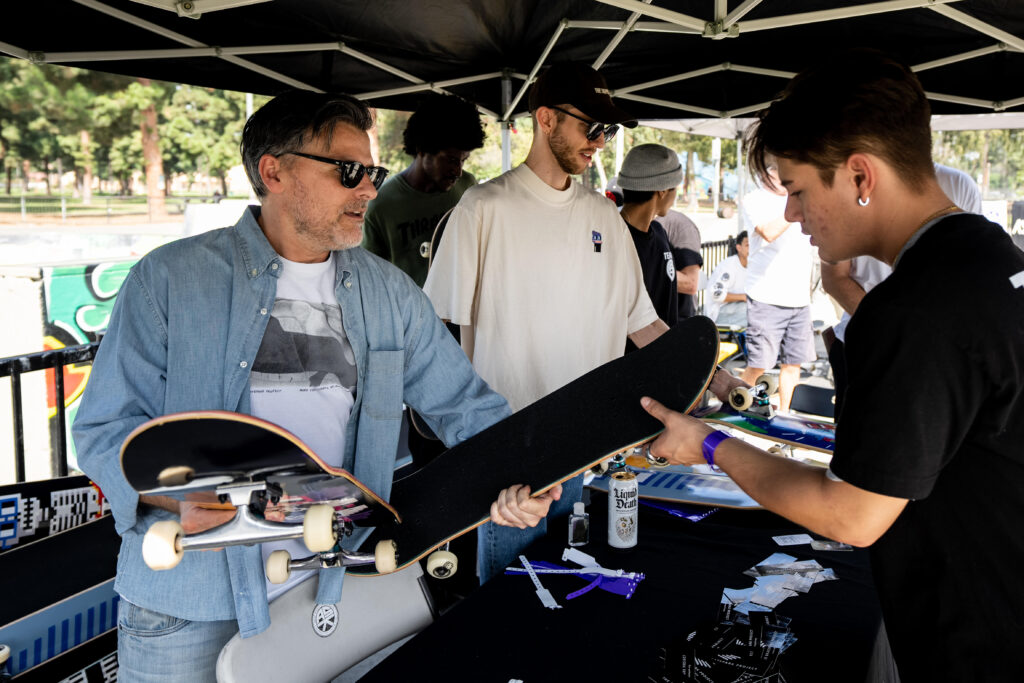
Full slideshow below GRAND ARMY PLAZA — A second community meeting to discuss...

The first official observance of the Chinese/Lunar New Year was celebrated...
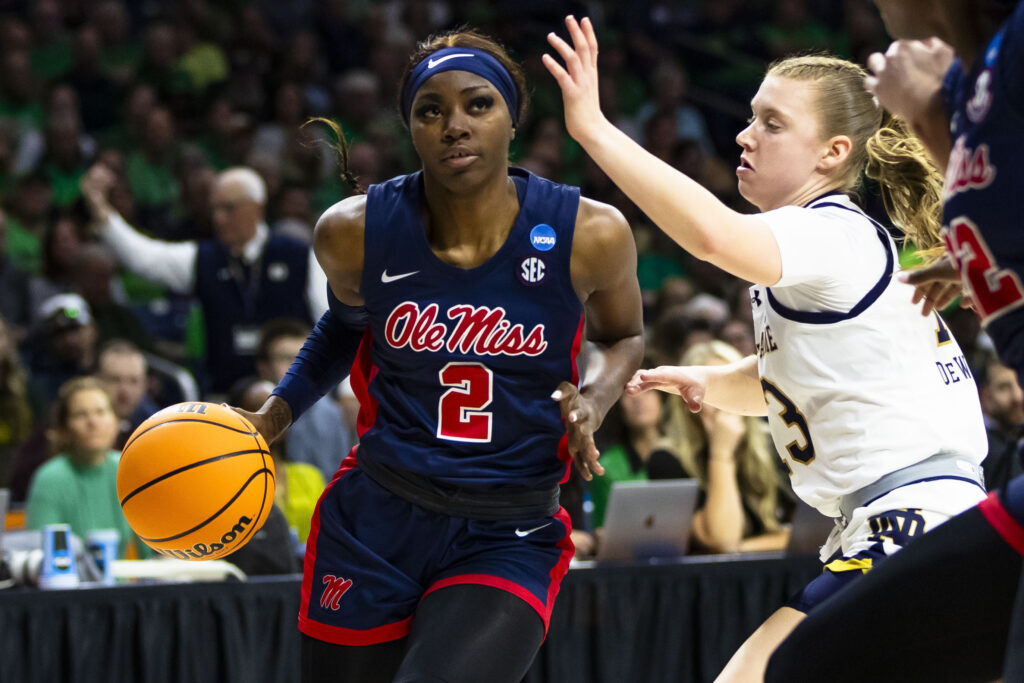
Liberty rookie Marquesha Davis had to hear 10 names called before learning...
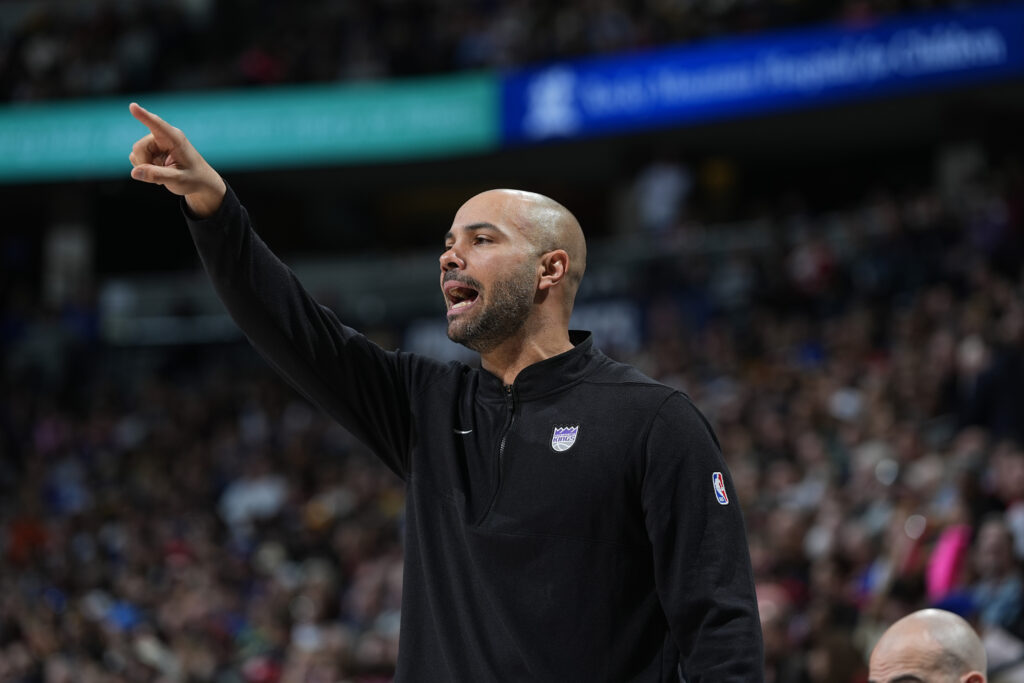
The Brooklyn Nets hadn’t lost 50 games since their last...
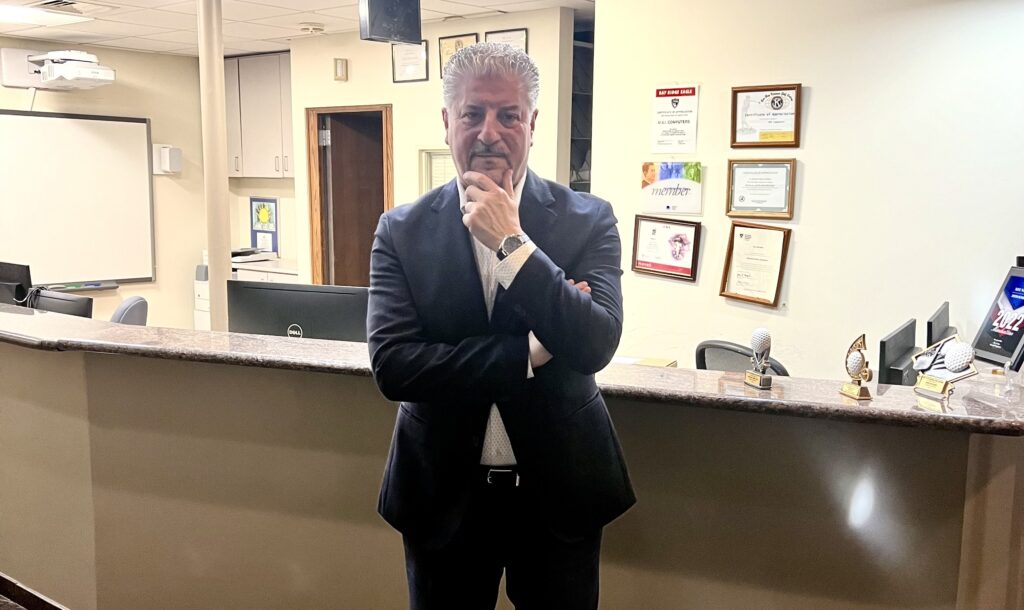
BAY RIDGE – John Abi-Habib is all about foresight and being on...
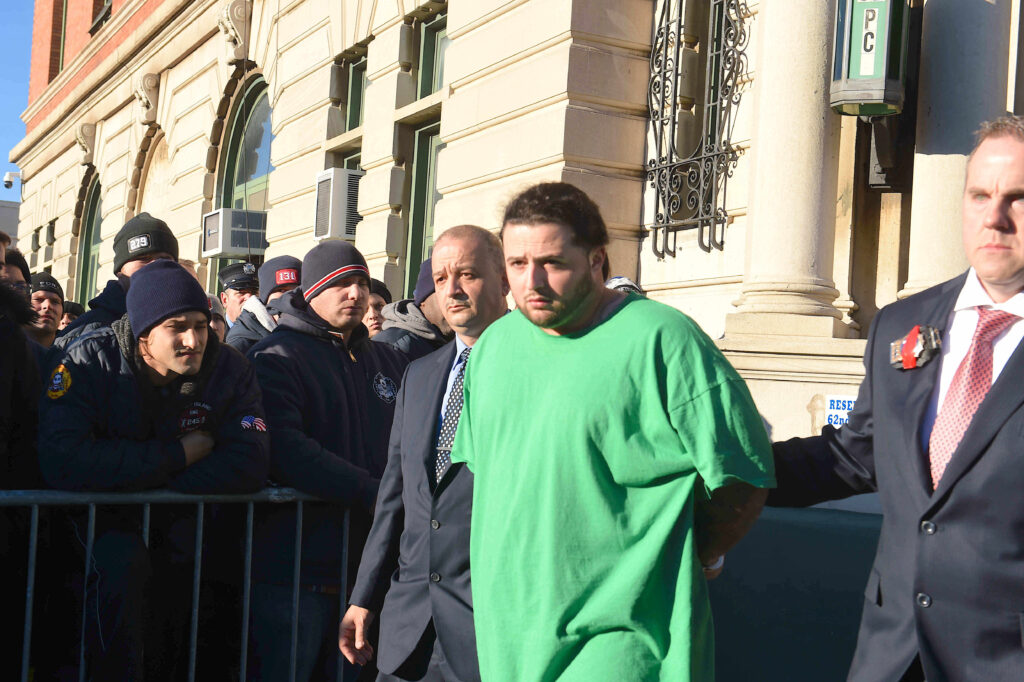
A Staten Island man pleaded not guilty on Tues., Dec. 18 for...
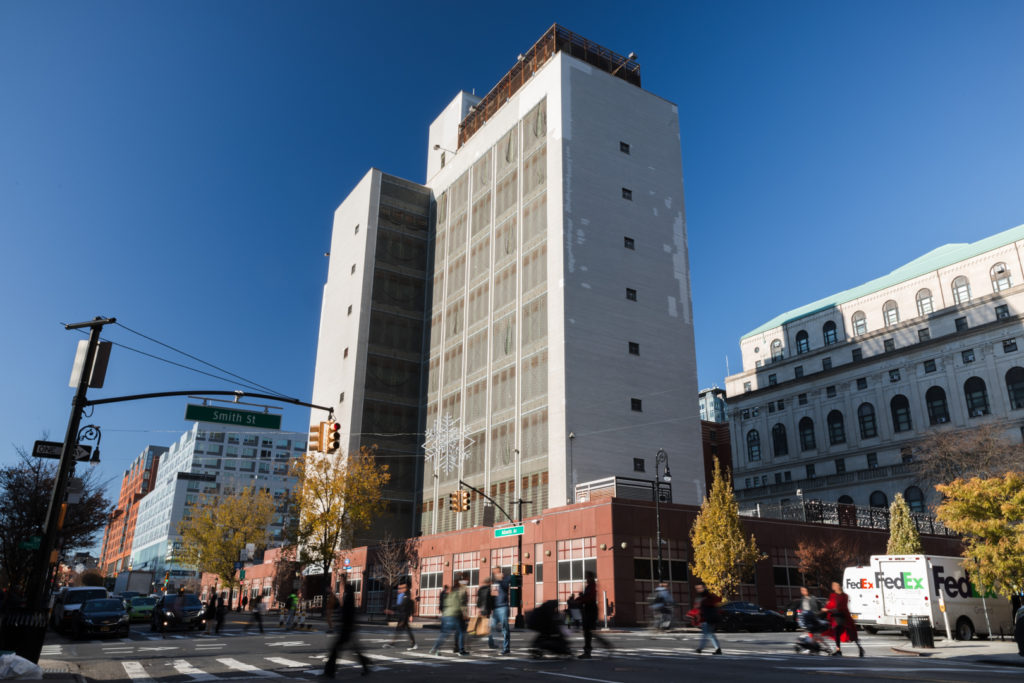
ATLANTIC AVENUE — This week, the Department of Transportation installed three mid-block...

DYKER HEIGHTS — After the death of yet another pedestrian — this time at...