
Our world in photos: June 30
Global images capture heatwaves, disaster recovery, and everyday life across Kashmir, Romania, Kenya, Venezuela, Ukraine and London.

Global images capture heatwaves, disaster recovery, and everyday life across Kashmir, Romania, Kenya, Venezuela, Ukraine and London.
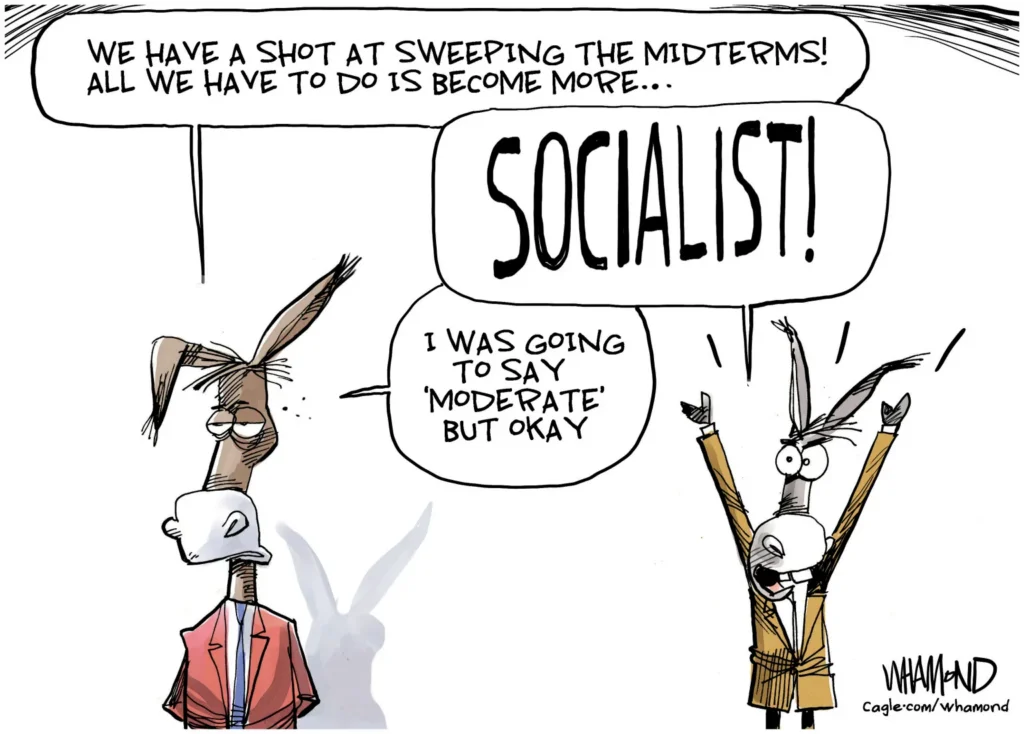
A collection of editorial cartoons uses satire to comment on politics, global conflicts and current events worldwide.

The Brooklyn-based legal association is affiliated with the national American Inns of Court network, promoting skills, ethics and excellence.
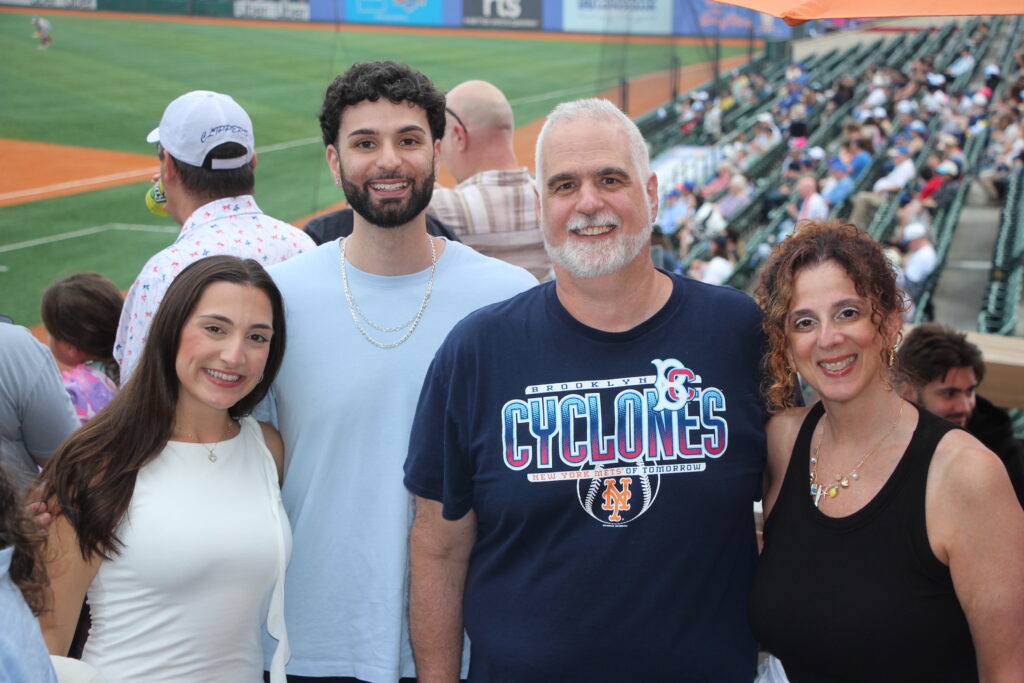
Bay Ridge Lawyers Association enjoyed its annual Cyclones outing at Coney Island, celebrating fellowship and the end of the legal year.

A global photo roundup captures life from Nepal’s paddy festival to Wimbledon, India rituals, heatwave wildlife and sports fans worldwide.
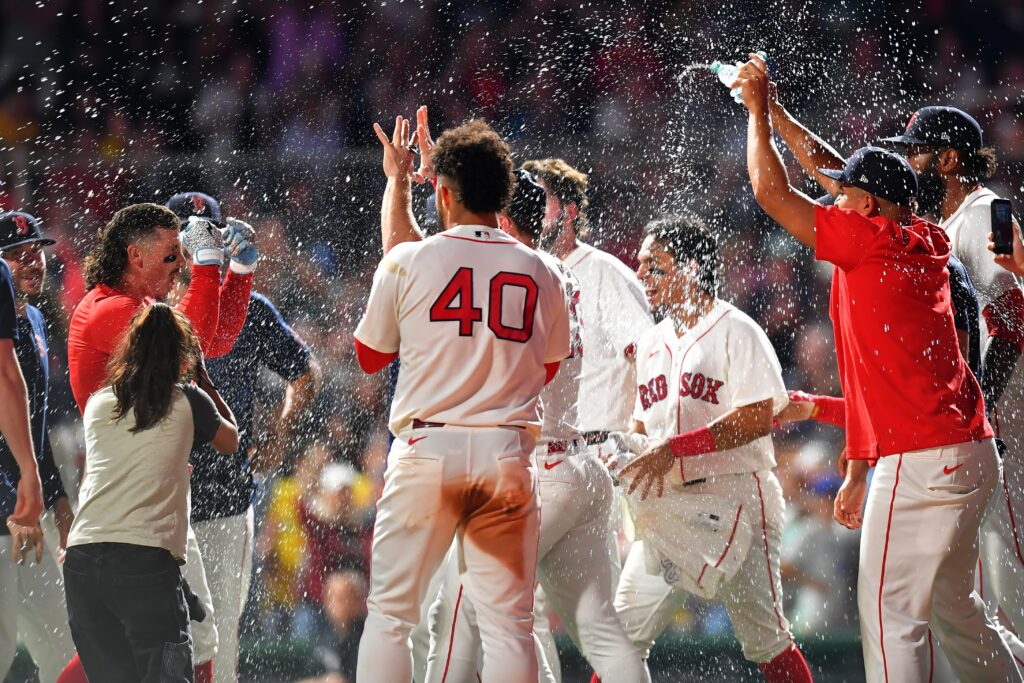
New York arrived at Fenway Park with the best record in the American League but left a game behind Tampa Bay atop the AL East.

The FIFA World Cup Fan Zone was unaffected by the crash and remained open through its normal closing time of 10 p.m.

The house always wins? Betting sites paid out tens of millions the week the Knickerbockers steamrolled the Spurs.
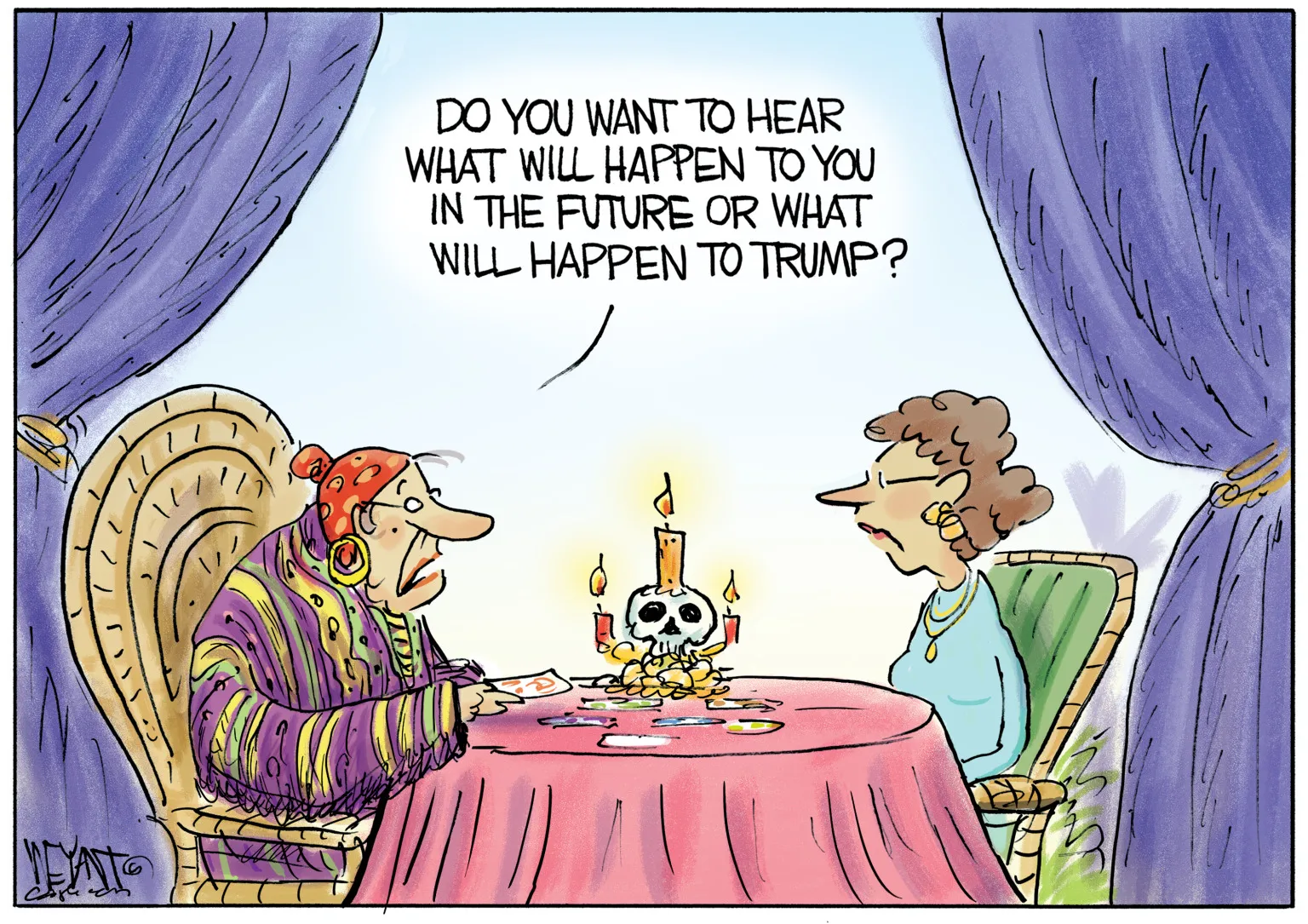
Editorial cartoons depict political reactions to Trump, U.S. policy, immigration and Supreme Court decisions in satirical illustrations.

Kings County Supreme Court Justice Richard Montelione reflects on his career, Pride Month and being openly gay on the Brooklyn bench.

Police identified the woman on the scooter as 53-year-old Neisha Atkinson of Brooklyn, and have charged her with several counts.

A global photo roundup captures wildlife, sports, Pride celebrations, weddings and life during summer heat around the world.

The Thomas Jefferson Democratic Club celebrated Primary Day as members looked ahead to the November general election.

Political cartoons take on housing affordability, climate change, the Israel-Iran ceasefire, Trump, Netanyahu, Elon Musk and SpaceX.
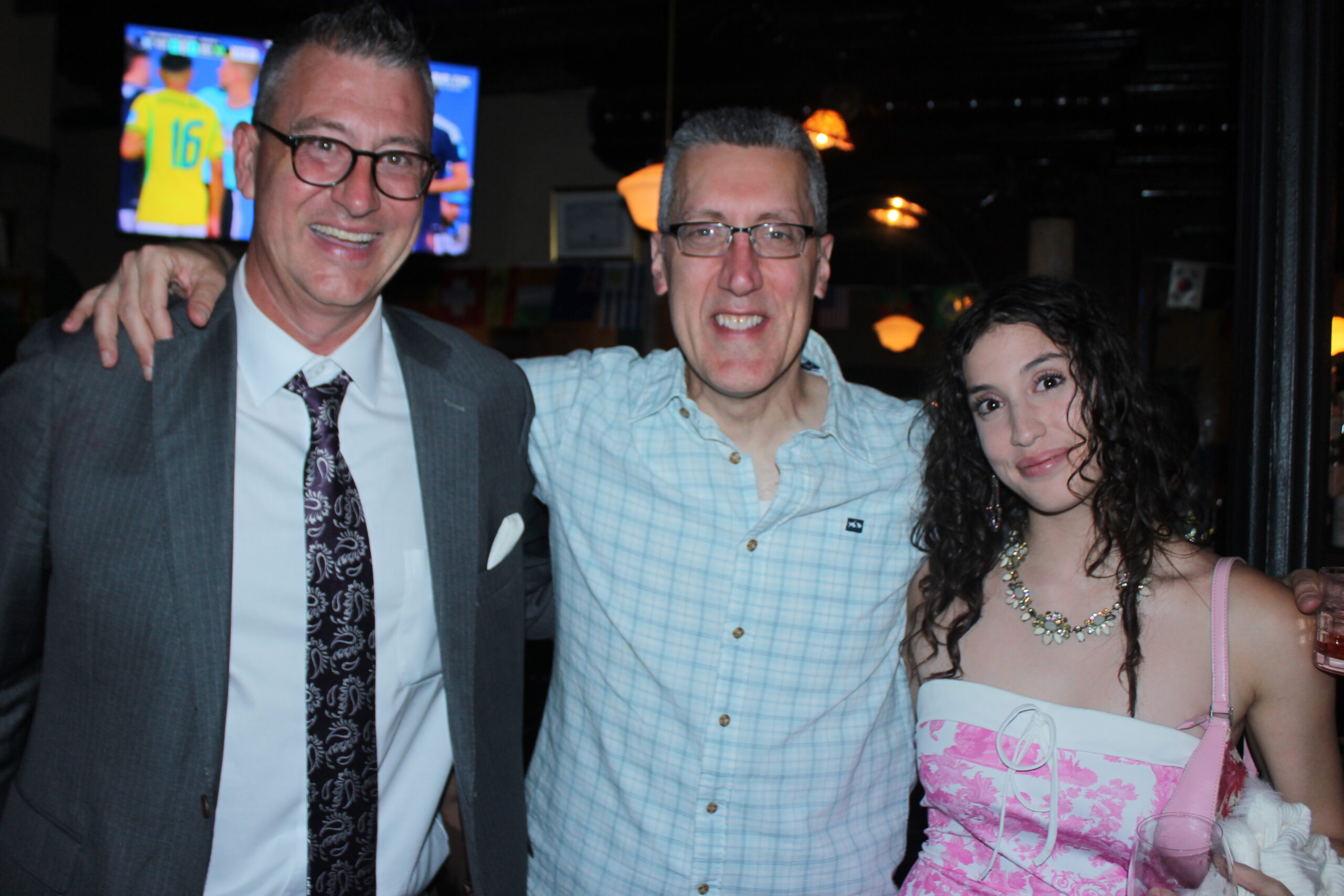
The Kings County Criminal Bar Association celebrated its members and a successful year at its annual summer gathering in Brooklyn.
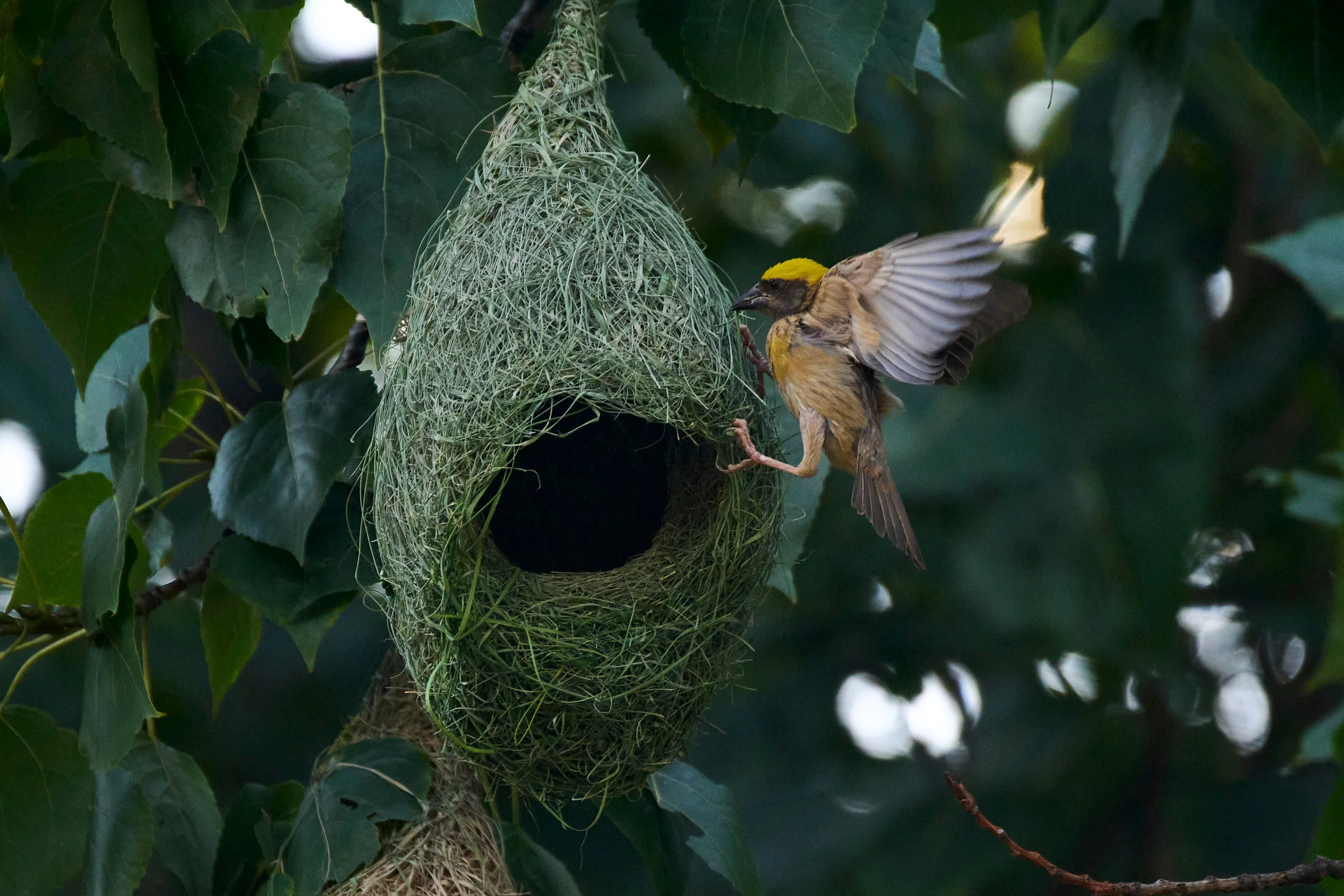
Global photos show heat waves, protests, wildlife, and daily life across Nepal, Venezuela, Kenya, India and Europe.
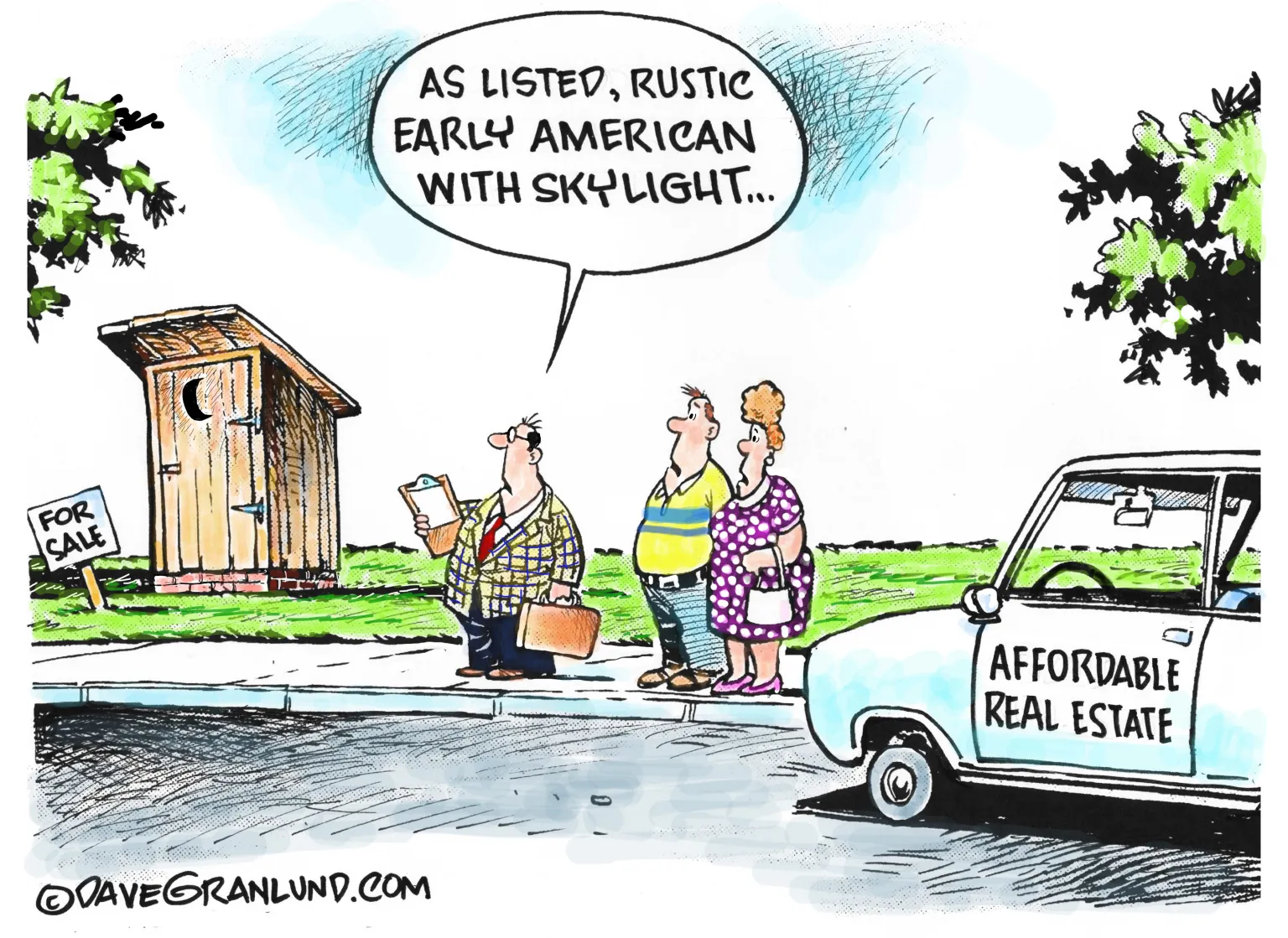
Editorial cartoons cover Trump, Iran, affordability, US 250th, data centers, and global political issues in sharp commentary.

Brooklyn Supreme Court hosted a Caribbean American Heritage Month event honoring legal figures and culture with music and performances.

A global photo roundup shows festivals, sports, activism, heat waves, fashion and cultural events around the world.
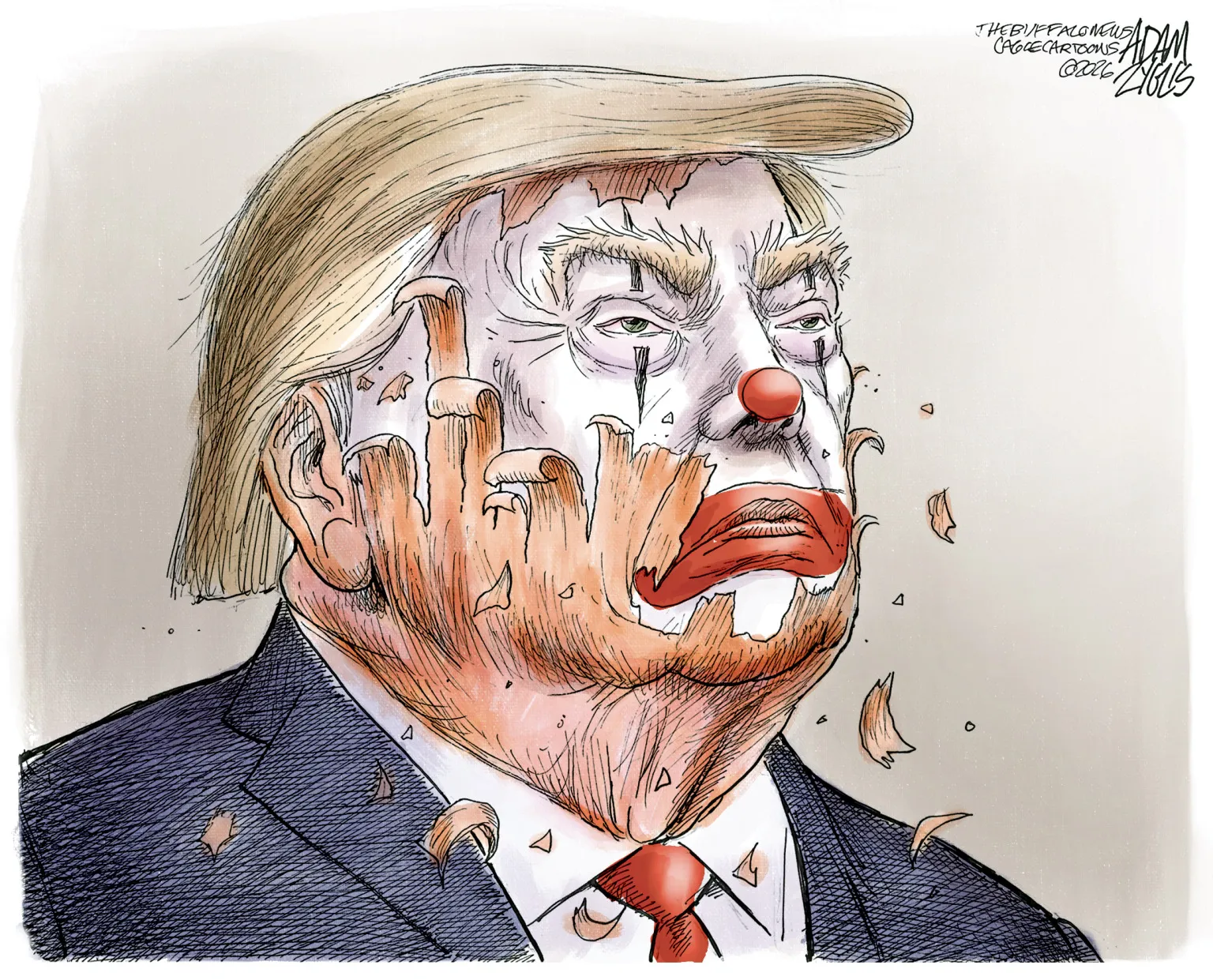
A collection of editorial cartoons on politics, Trump, global events, protests, sports and satire from leading cartoonists.

See striking photos from around the world, from summer heat and wildlife to sports action and New York primary election day.

Maria Aragona was sworn in as a Kings County Supreme Court justice during a ceremony at Mount Carmel in Williamsburg.

A collection of editorial cartoons on politics, global conflicts, environment, economics and current events.

A global photo roundup featuring royalty, celebrities, politics, religious observances, tennis and World Cup fans.

Brooklyn Surrogate’s Court and LGBTQ+ Judges Association honored judges at a Pride Month event featuring the inaugural Milsap Award.

Outgoing Bay Ridge Lawyers Association President Yolanda Guadagnoli was honored at the group’s annual dinner dance in Dyker Heights.

A collection of editorial cartoons covering U.S. politics, global conflicts, and current events including Trump, Iran and more.
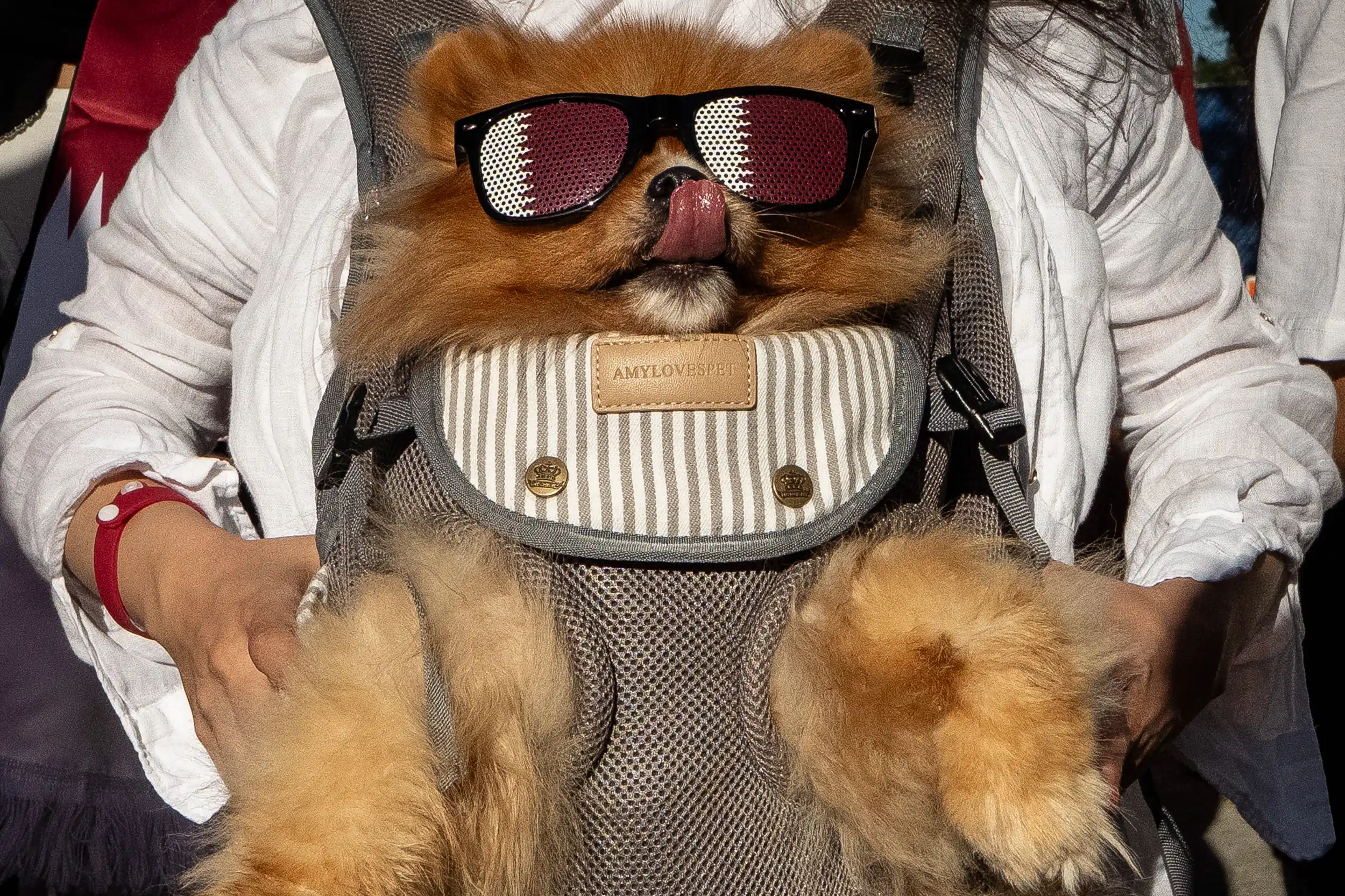
A global photo roundup shows World Cup celebrations, Royal Ascot, Obama Center events, Vatican honors and a Knicks parade.
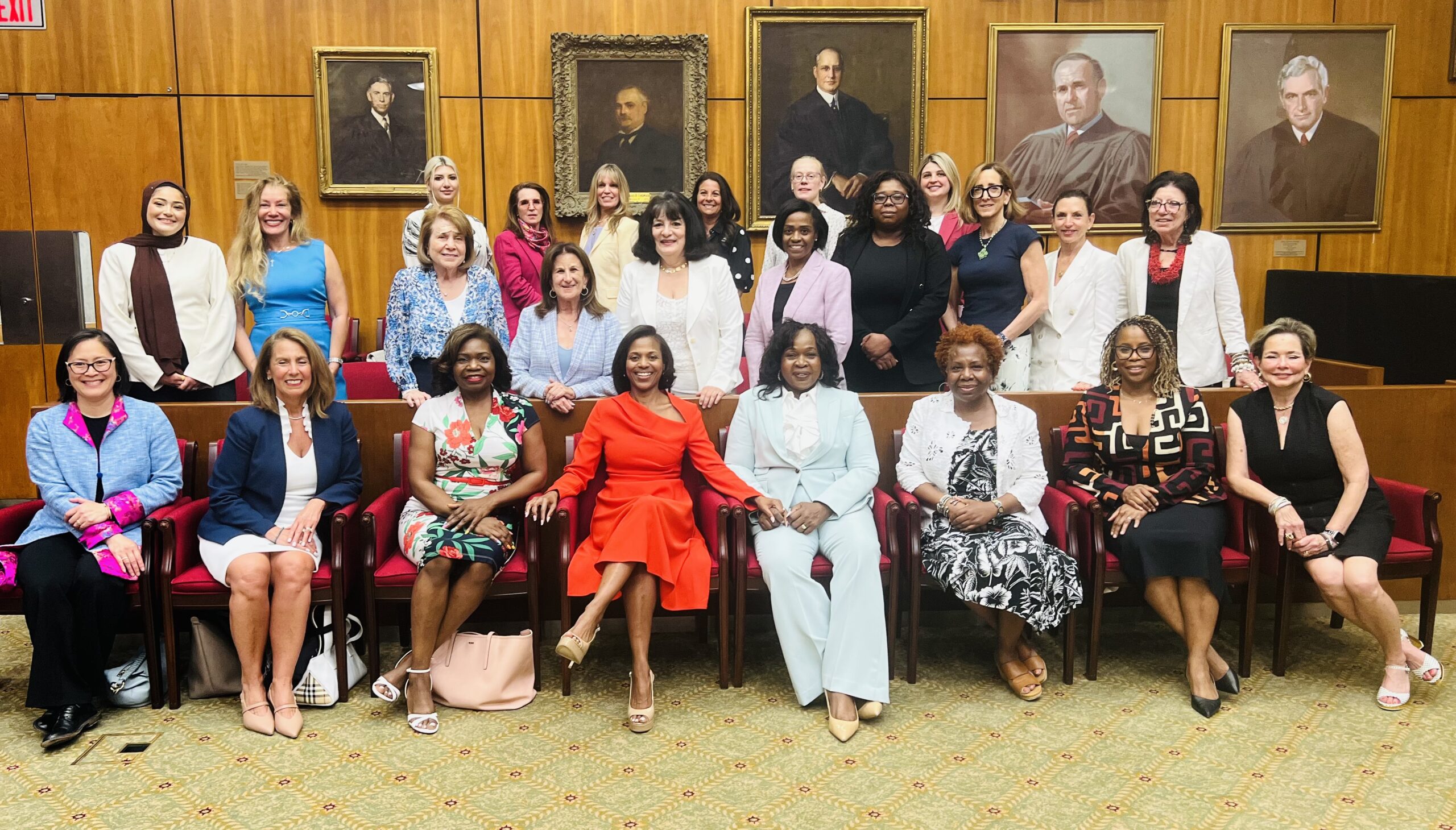
The Brooklyn Women’s Bar Association installed its 2026-27 leadership team during its 106th annual ceremony at federal court in Brooklyn.
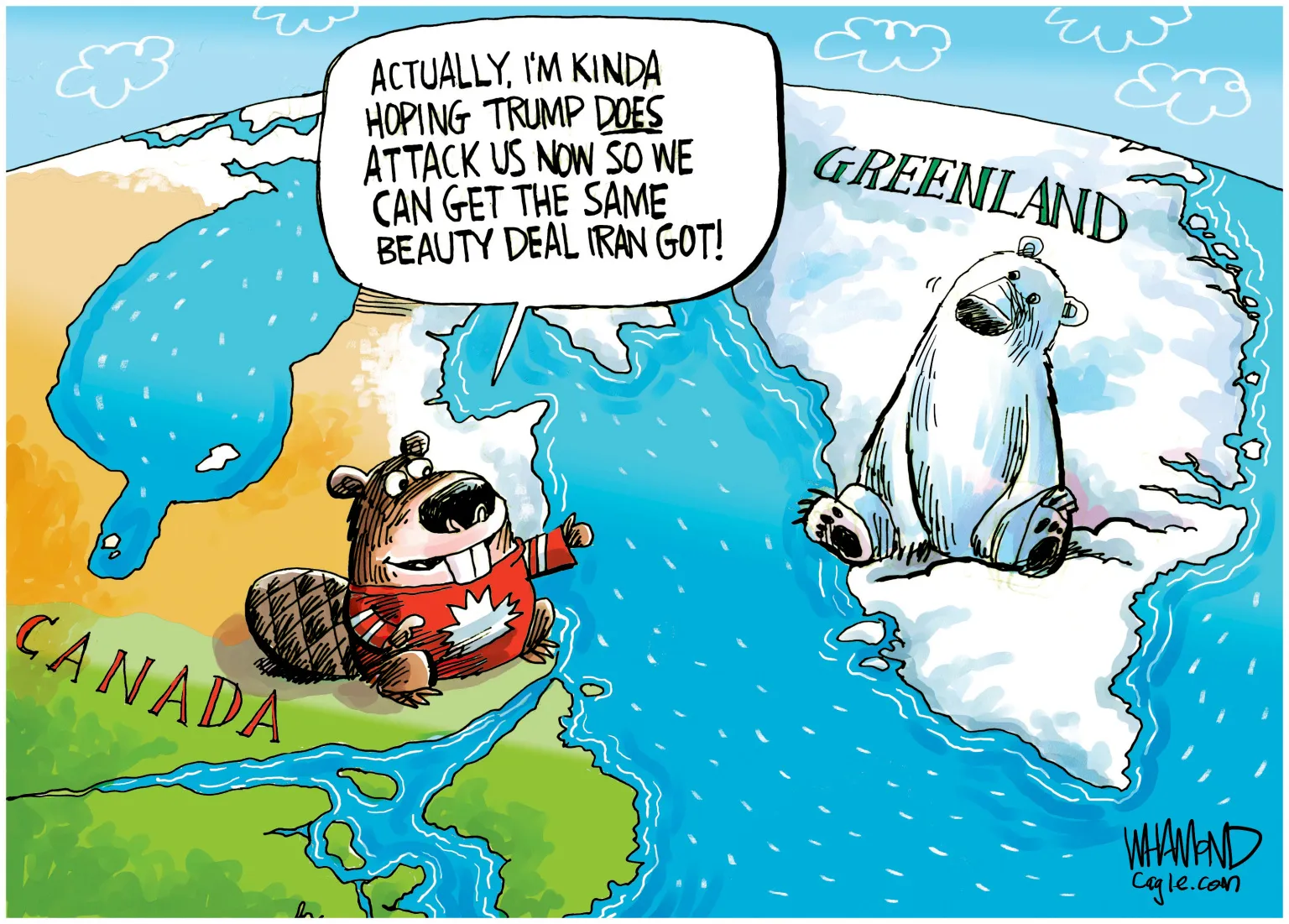
Editorial cartoons depict Trump–Iran diplomacy, political fallout, climate denial, AI, surveillance and global tensions.

A photo gallery captures world events, from Gaza and courtrooms to World Cup spirit, labor protests, royal fashion and diplomacy.

Editorial cartoons depict Trump’s Iran deal, G7 tensions, SpaceX IPO hype, public health and social media culture.
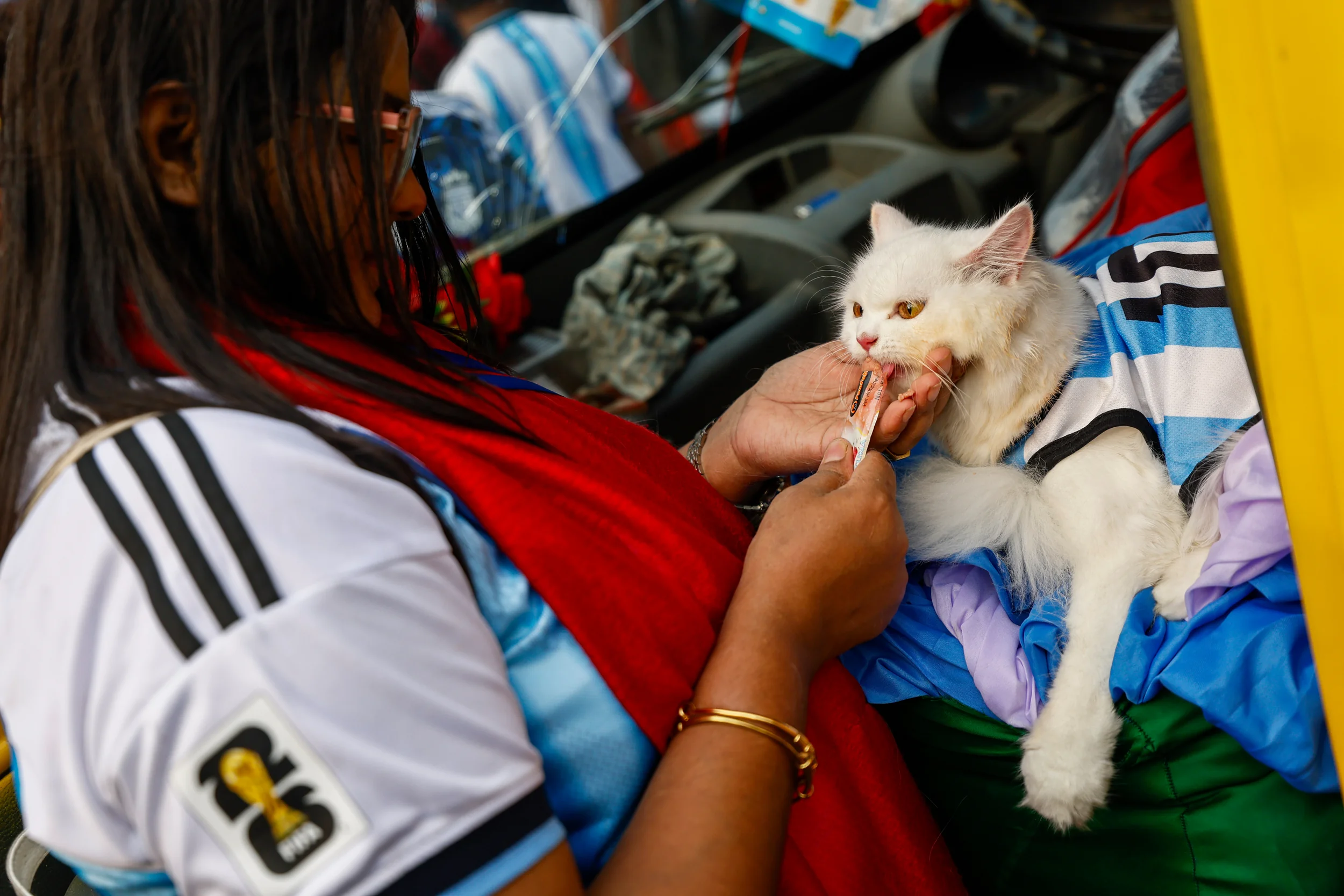
A photo gallery captures World Cup fever, royal traditions, G7 summit protests, U.S. politics, celebrity performances and golf.

Editorial cartoons examine Trump’s Iran deal, Iran negotiations, global politics, Elon Musk, DOJ Epstein issues and U.S. culture.

A global photo collection showing life in Gaza, sports, politics, war, finance and royal events around the world in news photos.

A collection of editorial cartoons covering Trump, global conflicts, U.S. politics, the economy, immigration and world events.