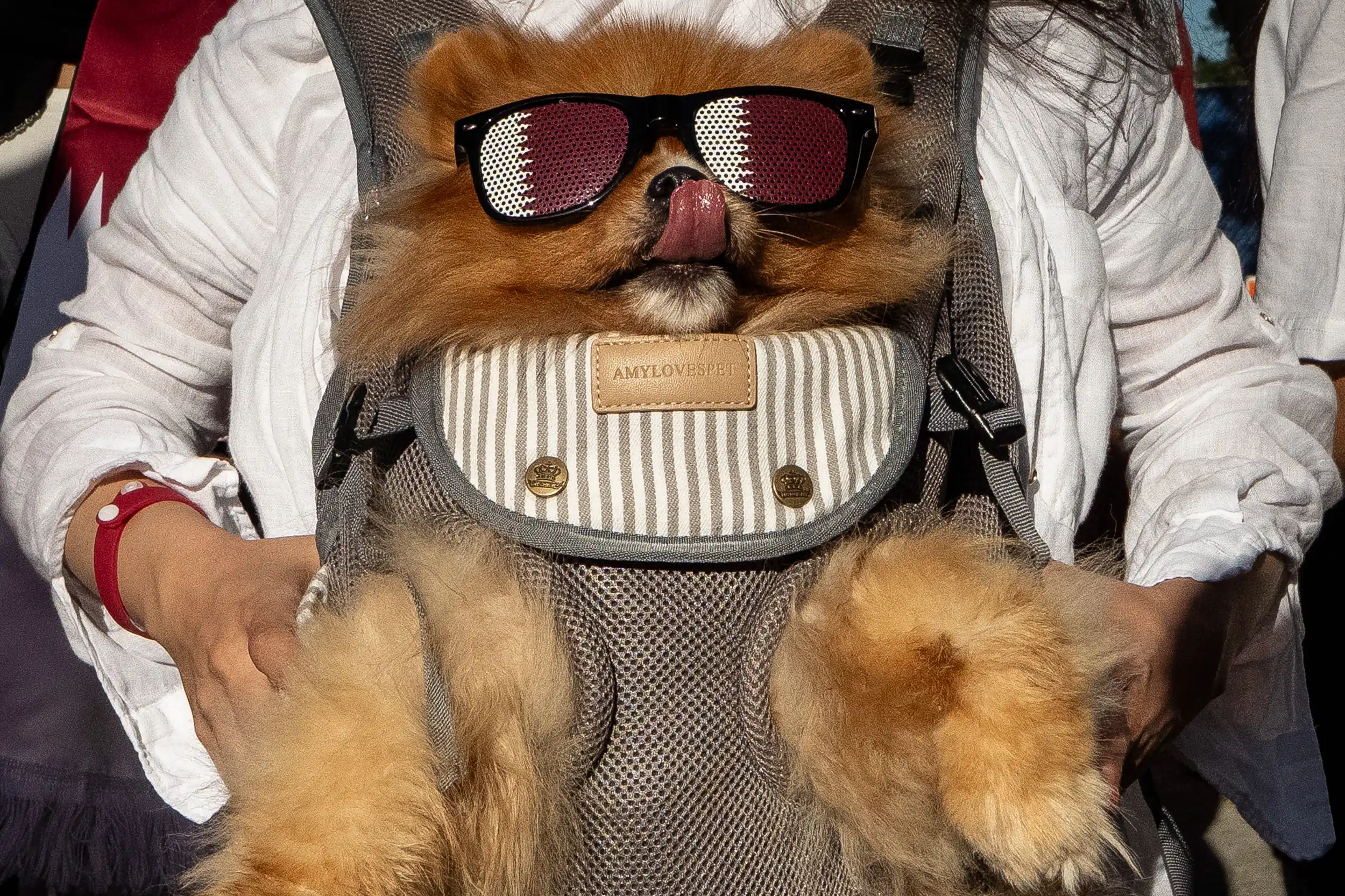
Our world in photos: June 18
A global photo roundup shows World Cup celebrations, Royal Ascot, Obama Center events, Vatican honors and a Knicks parade.


A global photo roundup shows World Cup celebrations, Royal Ascot, Obama Center events, Vatican honors and a Knicks parade.

The Brooklyn Women’s Bar Association installed its 2026-27 leadership team during its 106th annual ceremony at federal court in Brooklyn.
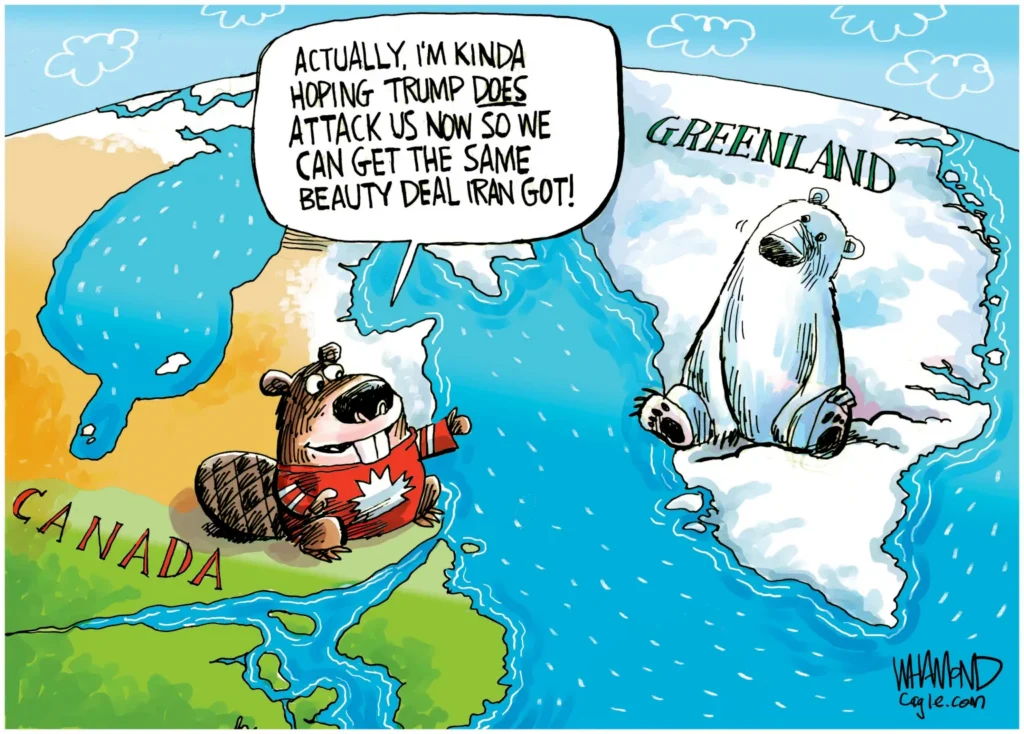
Editorial cartoons depict Trump–Iran diplomacy, political fallout, climate denial, AI, surveillance and global tensions.

A photo gallery captures world events, from Gaza and courtrooms to World Cup spirit, labor protests, royal fashion and diplomacy.

Editorial cartoons depict Trump’s Iran deal, G7 tensions, SpaceX IPO hype, public health and social media culture.
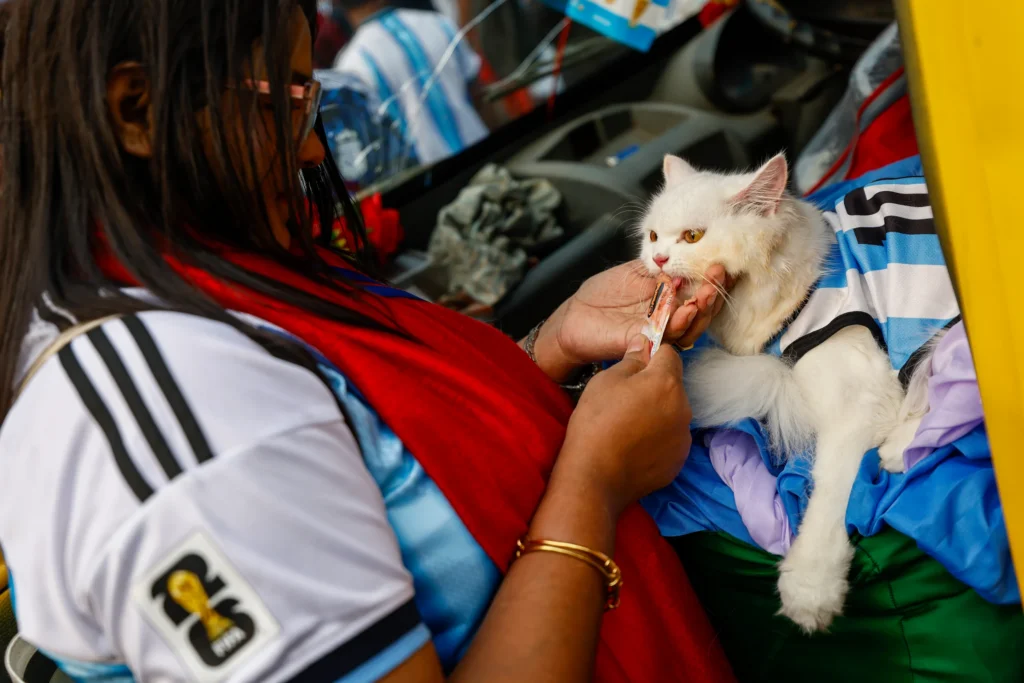
A photo gallery captures World Cup fever, royal traditions, G7 summit protests, U.S. politics, celebrity performances and golf.
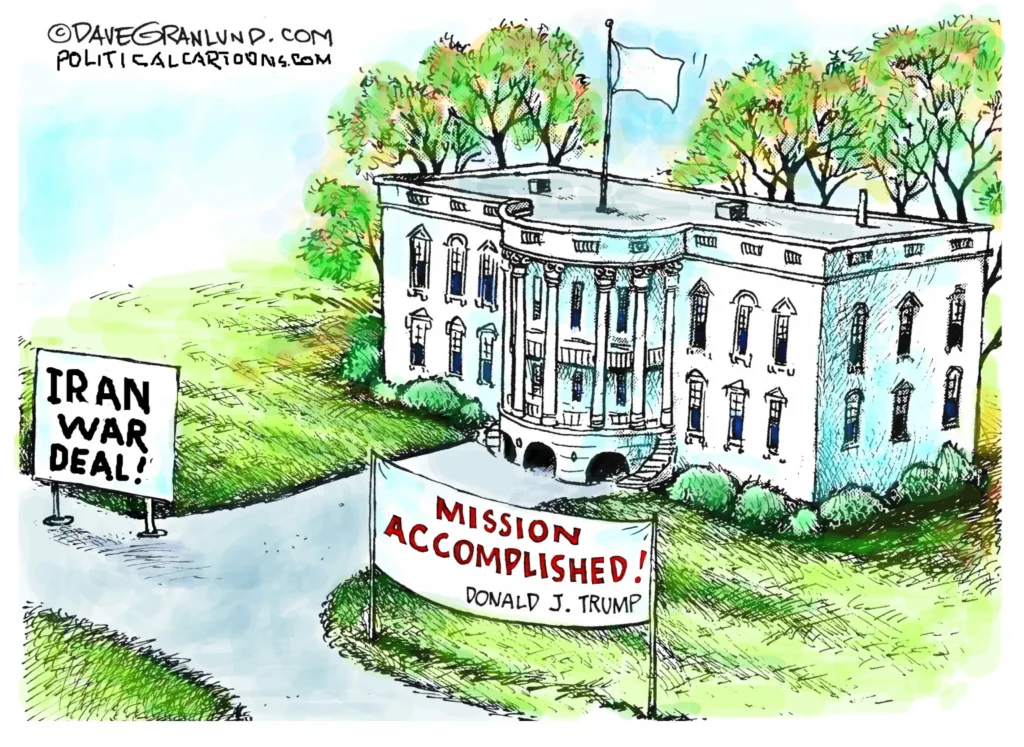
Editorial cartoons examine Trump’s Iran deal, Iran negotiations, global politics, Elon Musk, DOJ Epstein issues and U.S. culture.

A global photo collection showing life in Gaza, sports, politics, war, finance and royal events around the world in news photos.

A collection of editorial cartoons covering Trump, global conflicts, U.S. politics, the economy, immigration and world events.

Caribbean American Lawyers Association honored five leaders at a Brooklyn gala supporting scholarships and legal mentorship.

The Knicks won their first NBA championship in 53 years, defeating the Spurs as Finals MVP Jalen Brunson scored 45 points.

A global photo collection capturing World Cup scenes, political moments, cultural events and protests across multiple countries.
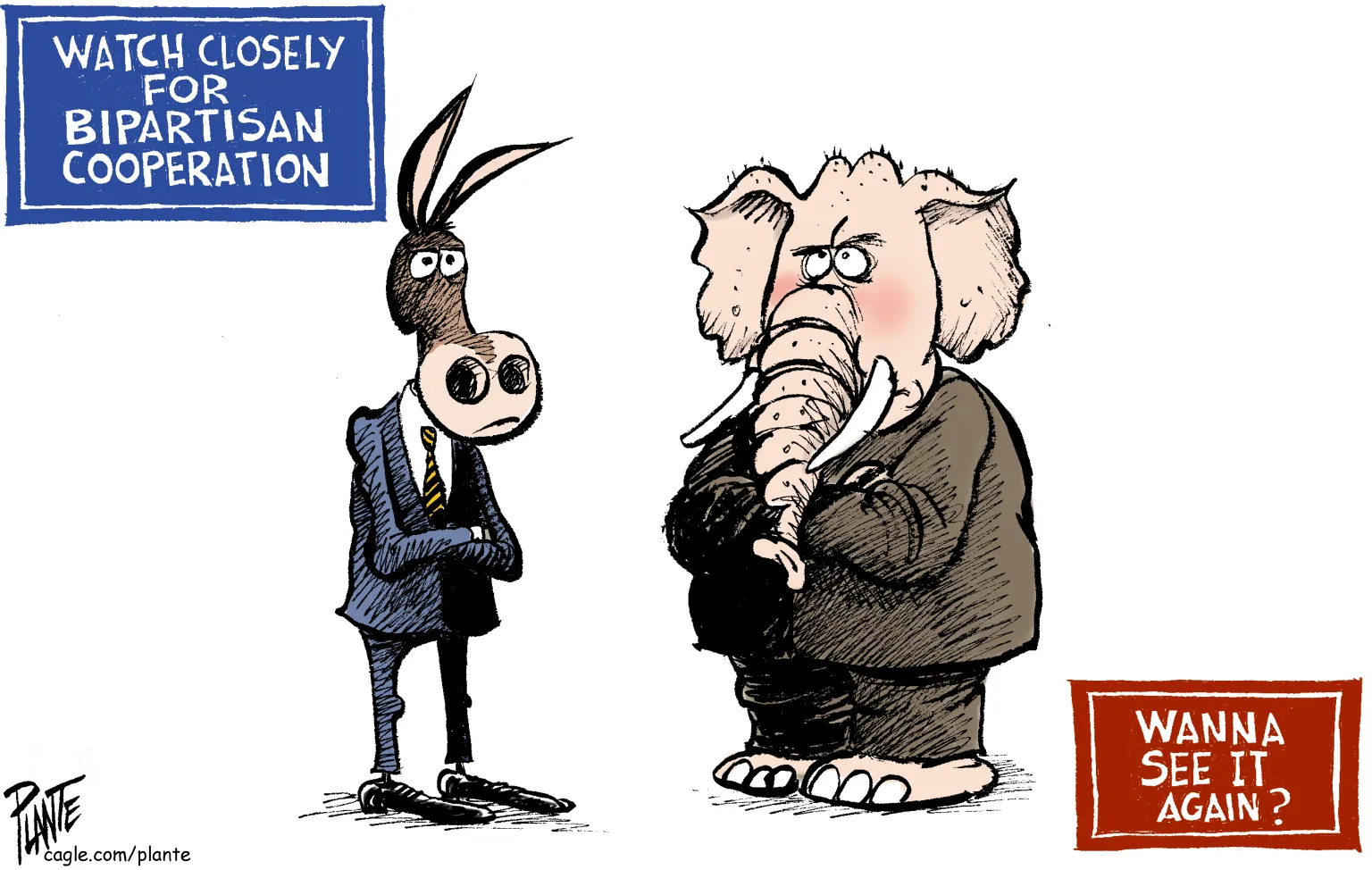
Editorial cartoons on global politics, war, Trump, Musk, AI, and international conflicts from leading cartoonists.

Photos from around the world capture the NBA Finals, World Cup festivities, protests, politics, military drills and public art.

Brooklyn Supreme Court marked Pride Month with an event celebrating LGBTQ+ inclusion, honors and remarks from judges and advocates.

The Brooklyn Bar Association installed Dan Antonelli as president and inducted a new slate of officers and trustees.

Editorial cartoons covering politics, inflation, Trump, global conflicts, social issues and current events from leading cartoonists.

Photos from around the world capture politics, sports, religion and everyday life across Europe, the Americas and Asia.

More than 1 million visitors are expected in the city for the World Cup. The Port Authority of NY and NJ pledges to crack down on hustlers.

KAT told ESPN that he sensed “a calm and a peace” coming from “the woman above” who he has described as one of his biggest supporters.
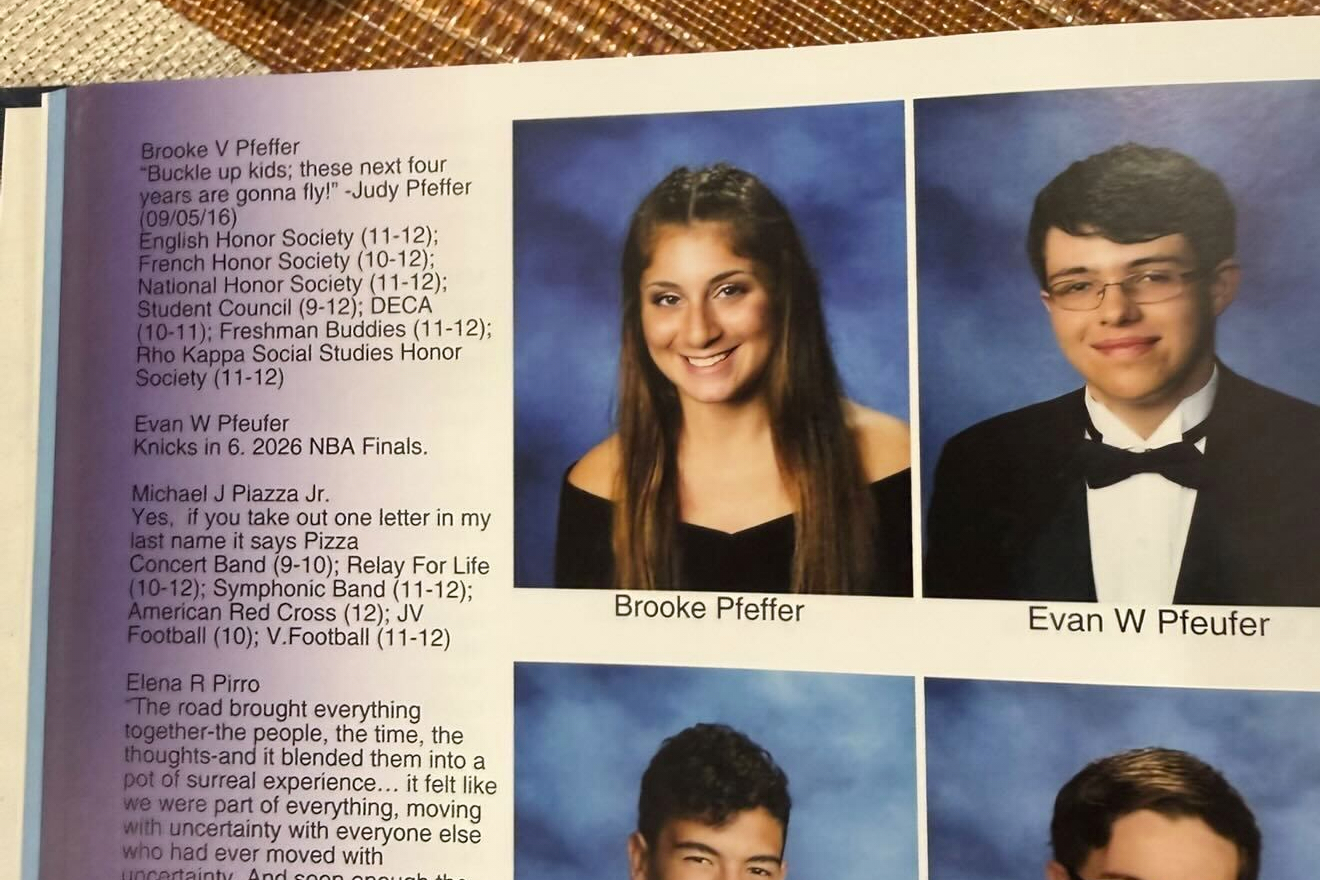
If the New York Knicks win it all this year, just remember that Evan Pfeufer called it six years ago, and has the receipts to prove it.

CVS will pay $36.5 million after being found to have overbilled Medicaid for insulin prescriptions in a multistate fraud settlement.

Xponential Fitness will pay nearly $4 million after New York AG found it misled franchise owners about studio opening timelines.

A collection of editorial cartoons explores Trump, AI, global politics, immigration, media, health, and world events through satire.

Photos from New York and around the world capture sports, politics, protests and cultural moments shaping the day’s events.

Sisters with Purpose honored six community leaders and highlighted its ongoing work supporting Brooklyn families and youth.
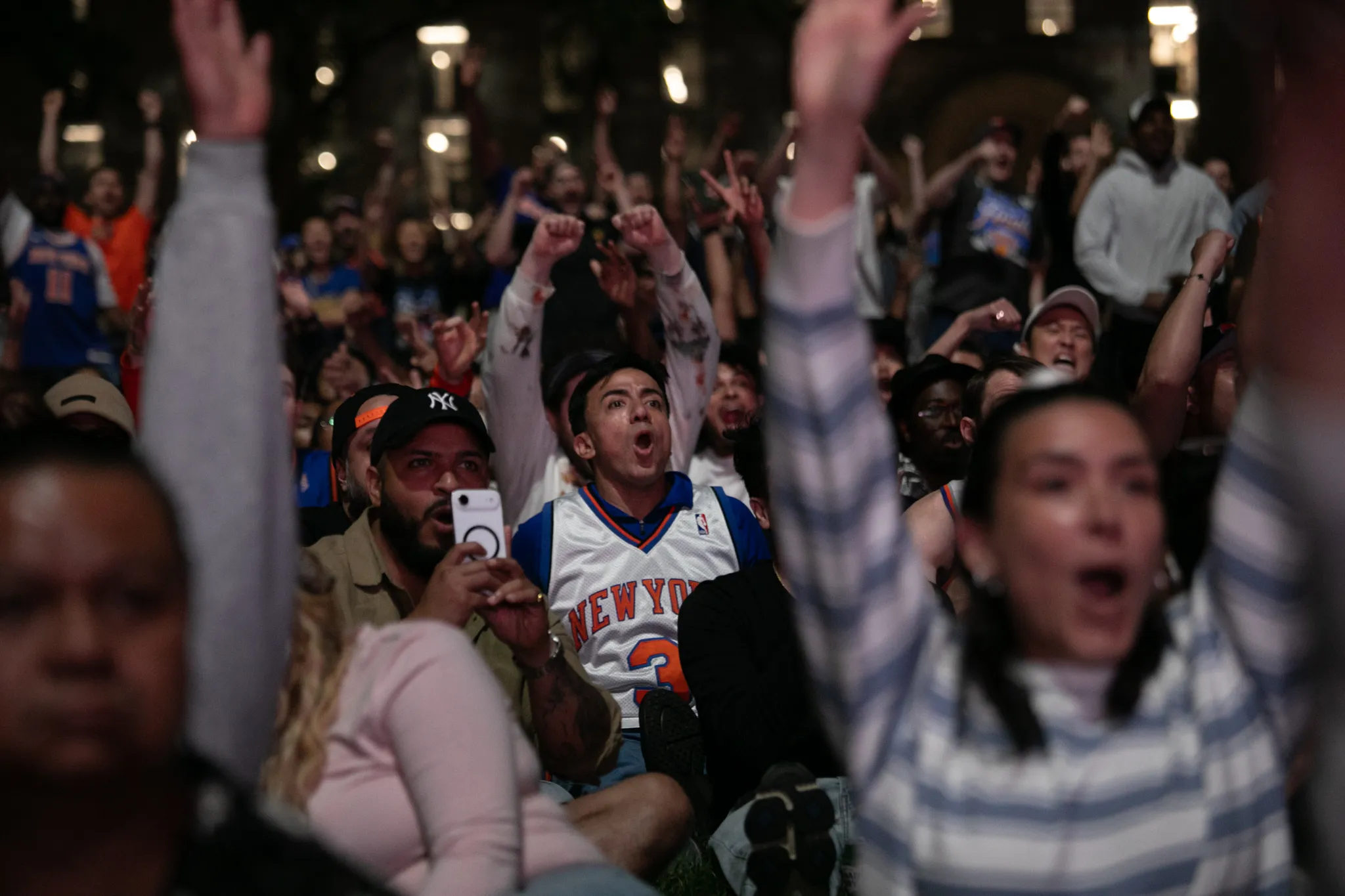
Thousands of fans turned out for watch parties across the city for Game 3 of the NBA Finals. Will it be “Knicks in five?”

Brooklyn Family Court Teen Day connects youth with education, jobs, mental health and community services to support teens’ futures.

Columbian Lawyers Association of Brooklyn installs Grace Borrino as president and honors outgoing president Mario Romano.

A collection of editorial cartoons explores politics, AI, and global conflicts in a post-truth era and U.S. current events.

Photos show awards in Manhattan, diplomacy in North Korea, and daily life across Kashmir, India, Germany and Syria.
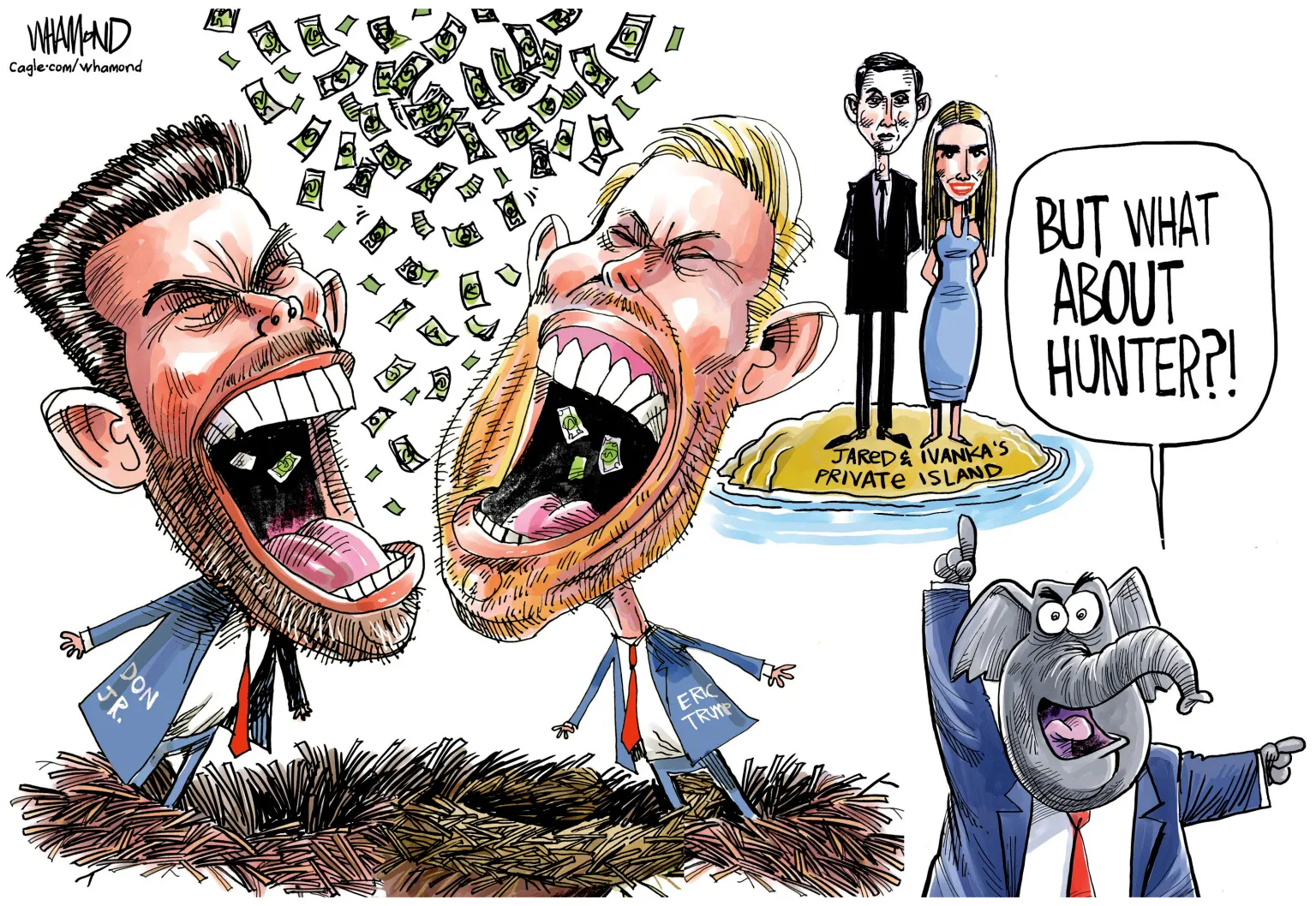
A set of editorial cartoons satirize Trump, U.S. politics, media, AI, data centers and global figures through political humor and commentary.

Photos from around the world capture wildlife, sports, music, conflict, remembrance and daily life across five continents.

A set of editorial cartoons satirize Trump, media conflicts, free speech, immigration, war and global politics.

Photos capture celebrations, sports, drought and public life across Europe, the Middle East and the United States.

Police are investigating groups seen entering and exiting Brooklyn manholes in Gravesend and Williamsburg overnight.