Increase in Real Estate Development Leads to More Demand for Ferries
NEW YORK — In her State of the City Address yesterday, City Council President Christine Quinn called for cleaner and more accessible mass transit for NYC residents and visitors.
“With some neighborhoods more than three quarters of a mile from a subway station we need to examine other modes of transportation. It’s only natural to look at our natural highways...our water ways...to move New Yorkers efficiently and sustainably.” “ … this is an idea that came straight from listening to New Yorkers … ” “In the near future we’ll outline our strategy for developing what will be one of the most significant transit initiatives in recent New York City history.”
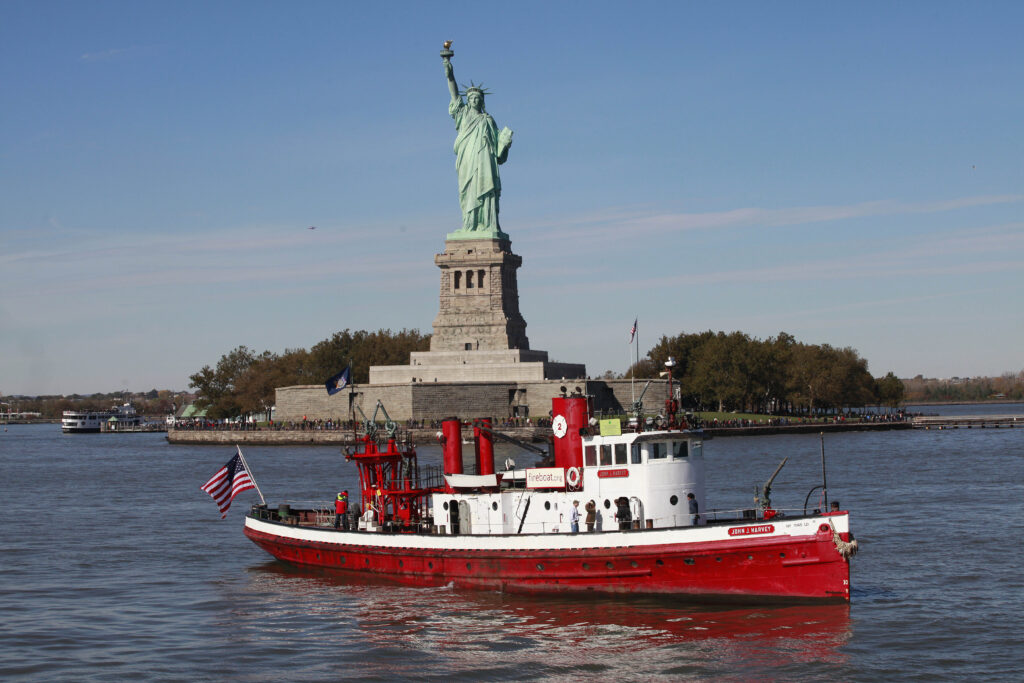
Ferries often have followed in the wake of real estate development. One answer is at Schaffer Landing in Williamsburg, where the New York Water Taxi company instituted a ferry service after the conversion of the former Schaffer brewery. Development plans for Coney Island, as up-in-the-air as they may be, have also given rise to calls for resumption of ferries from Manhattan, which last ran in the early 1950s.
And without the development of DUMBO, it’s unlikely that New York Water Taxi would have started ferry service from Fulton Ferry Landing.
The Metropolitan Waterfront Alliance is the city’s premiere voice for the intelligent and equitable development of the waterfront. MWA is an alliance of 323 civic organizations with an interest in improving the region’s waterways.
As “blue avenues,” the waterways have tremendous value in at least two ways: One, they are already paid for, provided for us by nature, and so don’t require costly construction to dig tunnels, lay tracks or build bridges; two, as transportation resources go, they are the most resilient resources we have — while a blackout, a labor strike and an act of terror have each paralyzed our whole transportation system in the last six years, the waterways have continued to flow and in many ways constituted a lifeline for millions of people and businesses impacted by these events. A ferry ride to work should be as affordable as a subway or bus ride, and the ferries should be seamlessly integrated into our mass transit system.
MWA Recommends:
• Make MetroCard technology the standard fare collection system device on all ferries
• Identify funding sources so that low and ultra-low sulfur diesel, and bio-fuel becomes standard for ferries
• Develop innovative ferry design that minimizes both damaging wakes as well as noxious air emissions
• Connect upland transit buses to every ferry landing
• Create access between central business districts and airports via ferry
• Develop region-wide master plan for ferries that links boats to landside mass transit including buses, subways and rail
• Subsidize ferries to make them competitive with other forms of mass transit
A well-funded and well-maintained ferry system will enhance our infrastructure, open up our waterfronts – and create jobs for New Yorkers.
MWA is dedicated to the transformation of the New York and New Jersey harbor and waterways to make them clean and accessible, a vibrant place to play, learn and work, with great parks, great jobs and great transportation for all. MWA has established a Task Force on Mass Water Transit linking water transit to upland mass transit and making it affordable.
© Brooklyn Daily Eagle 2007
All materials posted on BrooklynEagle.com are protected by United States copyright law.
Just a reminder, though -- It’s not considered polite to paste the entire story on your blog. Most blogs post a summary or the first paragraph,( 40 words) then post a link to the rest of the story. That helps increase click-throughs for everyone, and minimizes copyright issues.
So please keep posting, but not the entire article. arturc at att.net
Main Office 718 422 7400