Archives
Brooklyn Public Library's
Brooklyn Daily Eagle Online™
(1841-1902)

Archives
Brooklyn Eagle™
(2003-present)

Sign In
ID is your email Password
For registration questions click here

Categories
Main page
RSS Channels
Atlantic Yards
Photo Galleries
Brooklyn Today
Brooklyn People
Brooklyn Cyclones
Courthouse News & Cases
Brooklyn SPACE
Features
Crime
Sports
Street Beat
Brooklyn Inc
Brooklyn KIDS
Editorial viewpoint
OUTBrooklyn
Brooklyn Woman
Art
Up & Coming
Hills & Gardens
Auction Advertiser
On Food
Health Care
Get A LifeStyle
On This Day in History
Obituaries
Community Boards
Stars and stripes
Community News
Local Search

Contact Us
If you'd like to contact us click here


For registration questions click here

Read about Us HERE
 
Business: Location:
 
Appliance Repair
Car Dealers
Car Repair
Carpet Cleaners
Child Care
Chiropractors
Computer Repair
Contractors
Dentists
Dry Cleaners
Electric Contractors
Golf
Hotels
Landscapers
Lawn Maintenance
Lawyers
Limousines
Locksmiths
Optometrists
Pest Control
Physician & Surgeons
Plumbers
Restaurants
Salons
Full Directory

You are not logged in. Register now. February 9, 2010

‘Brooklyn and its Religions’ Takes Students Into Field
by Francesca Norsen (firstestate@brooklyneagle.net), published online 02-10-2009
 

Brooklyn College Students Visit Houses of Worship

By Francesca Norsen Tate
Brooklyn Daily Eagle

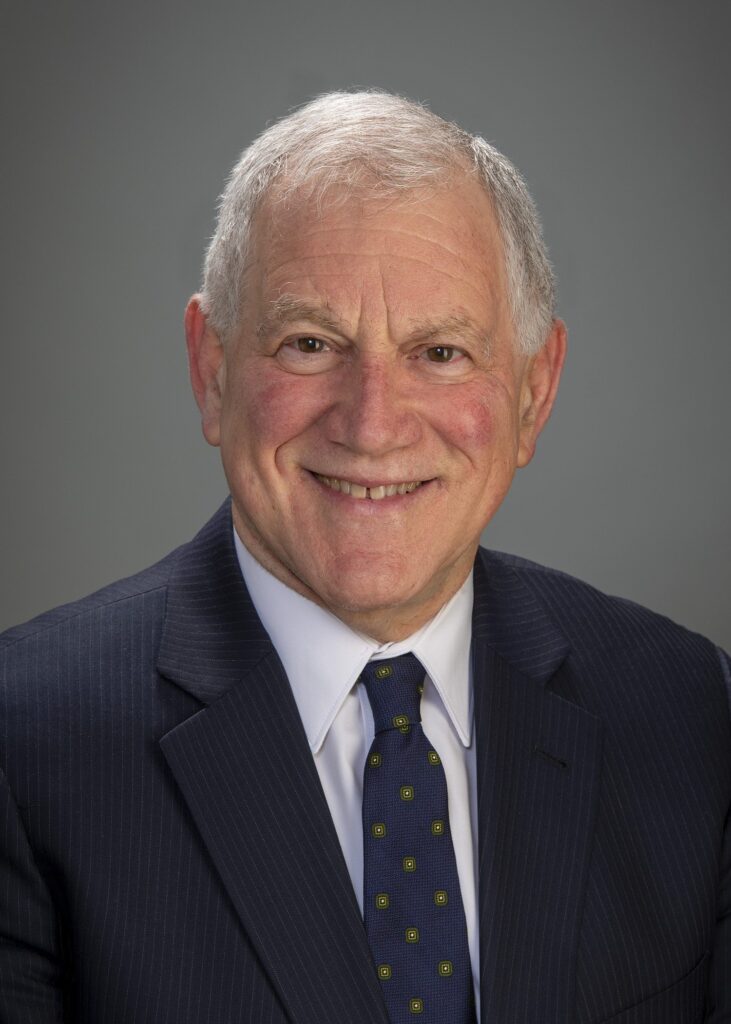
FLATBUSH — A Brooklyn College professor teaching a course about the intersection of religion and politics is doing the unconventional. The point of his course is to take his students out of the classroom.

Many colleges and universities offer interdisciplinary programs on religion and politics. Dr. Ken Estey’s courses stand apart because they focus on experiential field work. As part of his course, “Brooklyn and its Religions,” Dr. Estey takes his students to houses of worship representing different faiths throughout the borough.

Dr. Estey, who holds degrees in philosophy and who earned his Ph.D. in Christian Ethics from Union Seminary, has taught numerous religion and political science courses on the undergraduate and graduate levels. Among his notable classes are Introduction to Human Rights; People, Power and Politics; a Writing Intensive on Religion and State; and Community Power and Politics. Dr. Estey is the newly installed director of a program at Brooklyn College that combines politics and religion and their contemporary relevance.

“Brooklyn And Its Religions,” which meets on Fridays for an extended “lab” period, uses a variety of texts, periodicals and other resources for homework and writing assignments. But the central component is making field trips to meet with leaders from various religious backgrounds.

Dr. Estey’s syllabus points out, in part, “Recent sweeping changes in Brooklyn’s population, as a result of new immigration patterns, economic dislocations and gentrification, have produced an even more dynamic and fascinating context for the study of the structures and expressions of power in Brooklyn’s politics and the diversification of its religious expression. We will consider the relationship between the distribution of power in Brooklyn and religious constituencies in Brooklyn. We will look at how such constituencies shape the composition of community boards, the City Council, state Assembly and state Senate positions.”

Students are expected to participate actively in each field visit and to write field trip papers, which they later incorporate into a semester paper. They also write neighborhood profiles. Through these listening and writing assignments, Dr. Estey wants his students to discern and identify situations in Brooklyn where “state and religious interests coincide to produce a public good;” and to be able to identify “a situation in Brooklyn where state and religious interests are not coinciding and where a public good outcome is in doubt.”

Visit to South Asian Advocate

Last week, for the class’ opening field trip, Dr. Estey took his students to the Council of Peoples Organization offices on Coney Island Avenue in Flatbush.

COPO Executive Director Mo Razvi addressed the class on interfaith work as an advocate for South Asians in this part of Brooklyn. Razvi is a widely-respected leader among area citizens and safety authorities, one of the main organizers of the Children of Abraham Peace Walk, and a key Muslim figure in Brooklyn.

This Friday, the class will visit the community organizing group, Brooklyn Congregations Uniting. The landmark Flatbush Dutch Reformed Church will host the meeting with BCU’s executive director, Margaret Hughes, another key organizer in last year’s Children of Abraham Peace Walk.

Over the next two months Dr. Estey’s students will visit different faith communities — churches, synagogues and mosques (or in Arabic, masjids). Estey also arranged for faith leaders of all three Abrahamic faiths to come to the class to make presentations.

————————

© Brooklyn Daily Eagle 2009 All materials posted on BrooklynEagle.com are protected by United States copyright law. Just a reminder, though -- It’s not considered polite to paste the entire story on your blog. Most blogs post a summary or the first paragraph,( 40 words) then post a link to the rest of the story. That helps increase click-throughs for everyone, and minimizes copyright issues. So please keep posting, but not the entire article. arturc at att.net


Daily Cover

Weekly Cover

Real Estate Brooklyn

Bay Ridge Eagle