
Our world in photos: July 10
View photos from around the world featuring wildlife, sports, recovery efforts, royal events and scenes of daily life.


View photos from around the world featuring wildlife, sports, recovery efforts, royal events and scenes of daily life.

The Brooklyn Bar Association hosted a baseball night on July 9 at Maimonides Park in Coney Island to support the Brooklyn Cyclones.

Editorial cartoons feature satire on politics, global events, technology, sports and current issues from leading cartoonists.

See striking AP photos capturing Wimbledon, the Tour de France, cultural traditions, wildlife and daily life around the world.
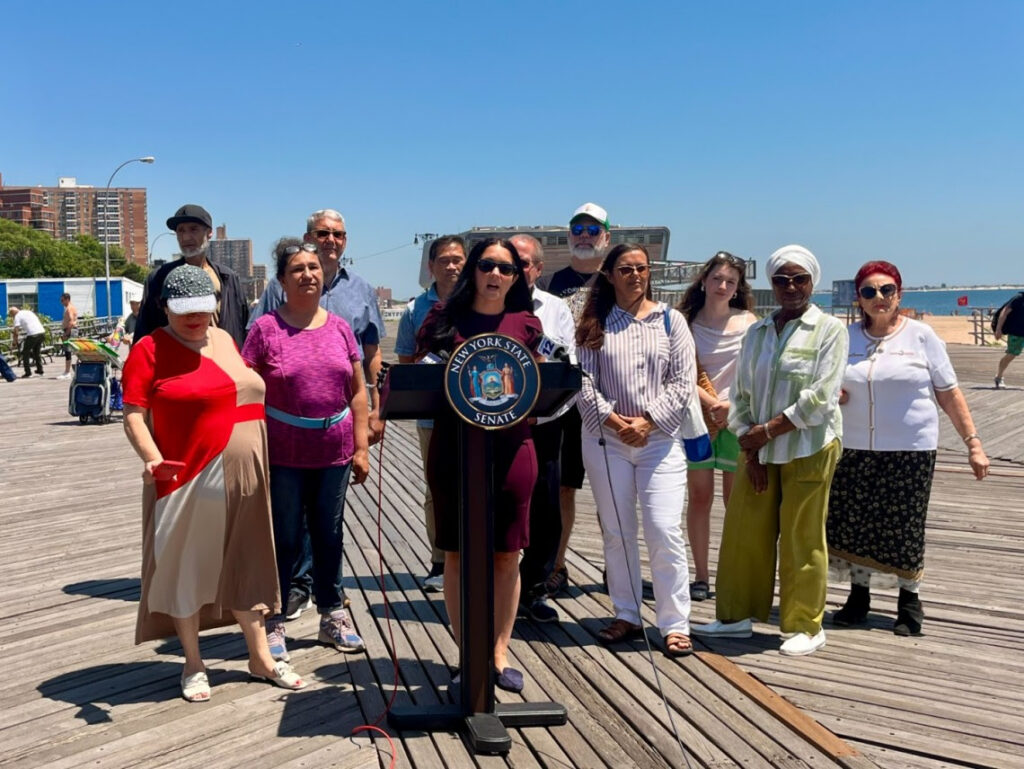
Officials and residents are urging immediate repairs to the Coney Island boardwalk as they await a planned $1 billion reconstruction.

Liakas Law’s summer internship program gives law students hands-on courthouse experience through court visits, research and legal training.

Editorial cartoons using satire and humor to comment on politics, international conflicts, climate change, elections and public figures.

Photos capture global moments from sports, politics, grief, wildlife and international events across France, London, Iraq and beyond.

Editorial cartoons using satire and humor to comment on politics, international affairs, social issues and current events.
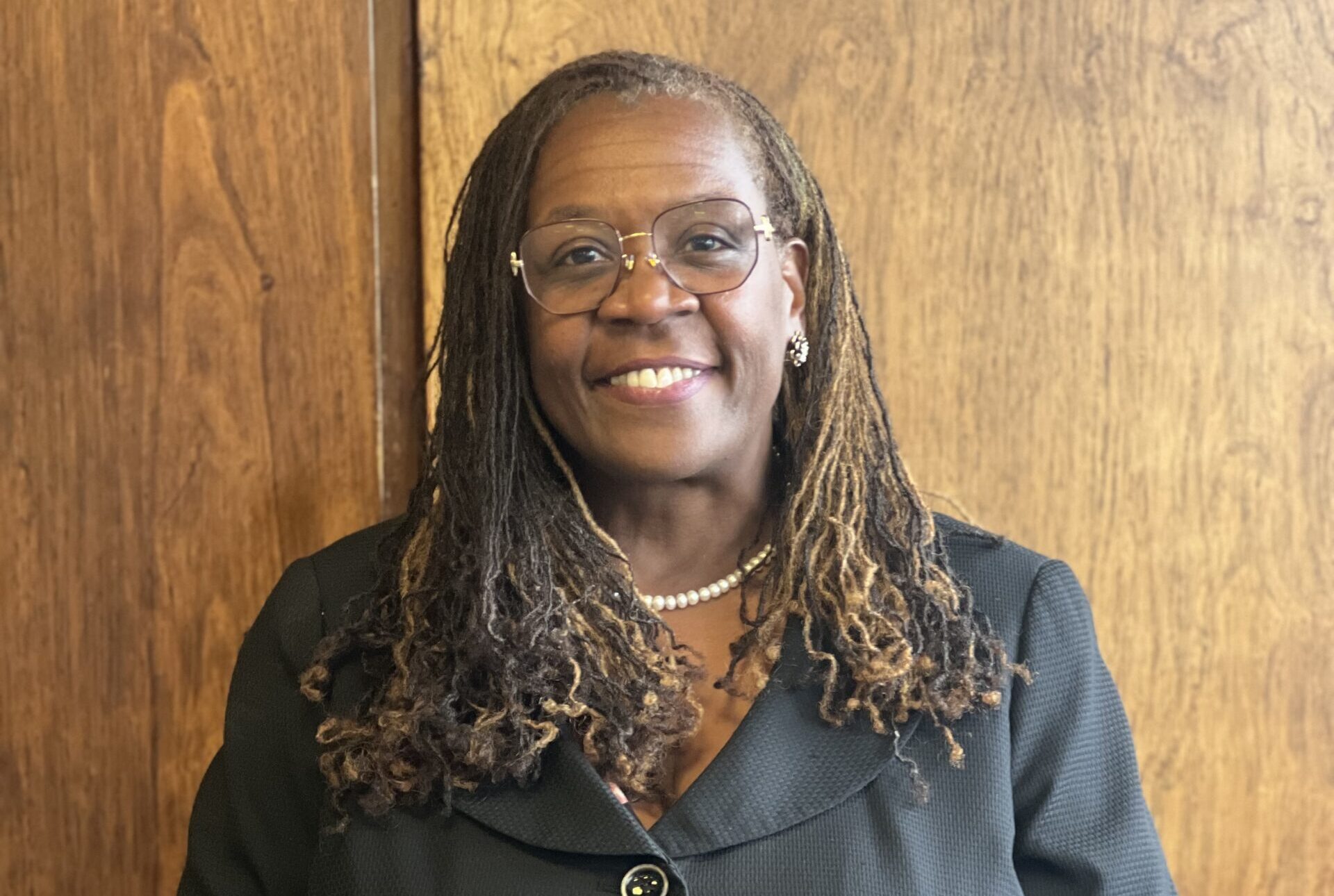
Judge Edwina G. Richardson shares her journey to law, court leadership and commitment to expanding access to justice for all.
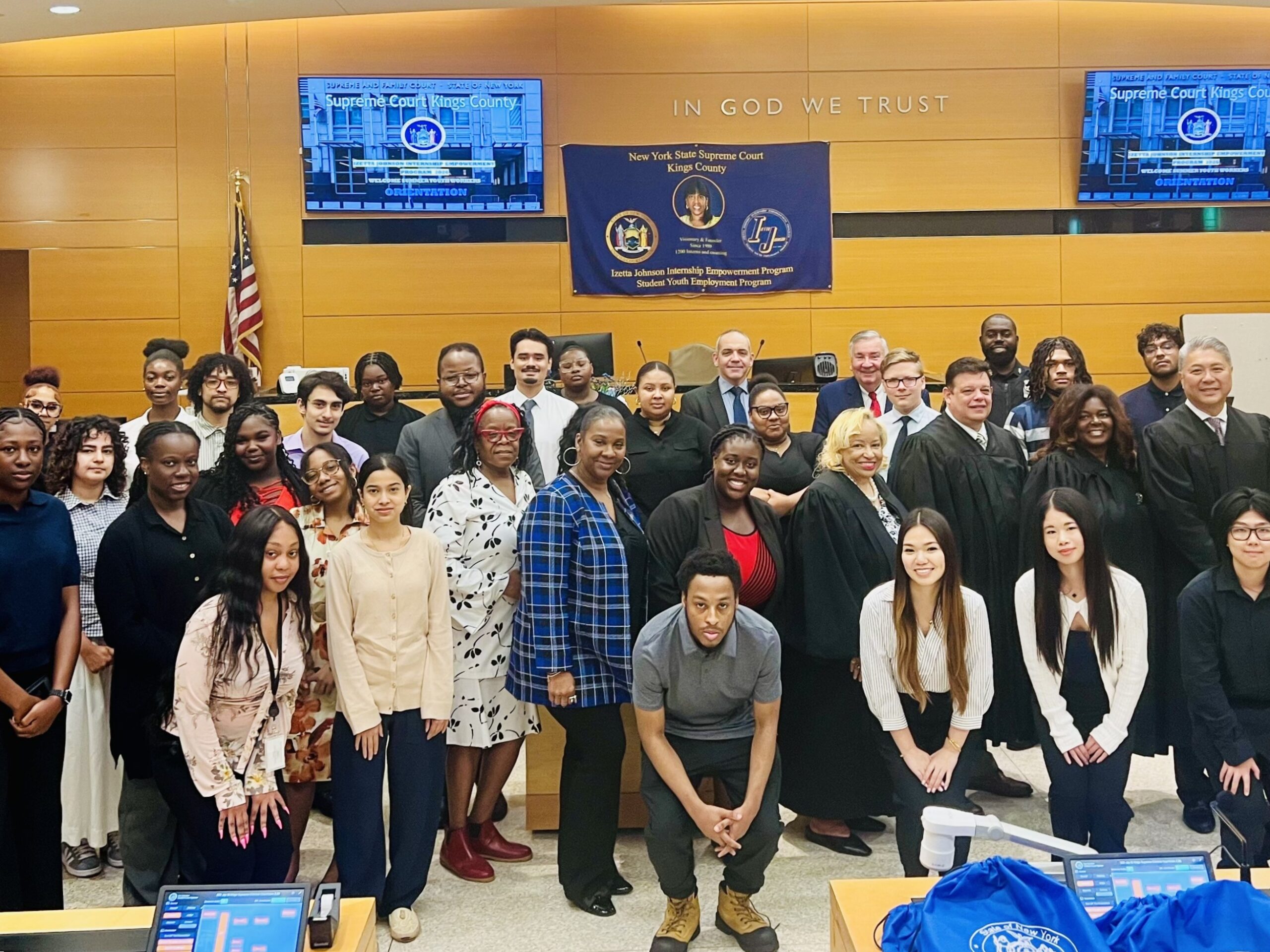
The Izetta Johnson Internship Program welcomed its 2026 class, giving NYC students career experience in the Kings County Courts.

Photos capture global moments from the Tour de France, World Cup, NATO summit, royal visits and Spain’s Running of the Bulls.

Editorial cartoons using satire and humor to explore politics, world events, sports, public figures and social issues.

Photos capture global scenes from Tehran, Kyiv, France, Spain, London and Washington, showing war, sport, politics and festivals.
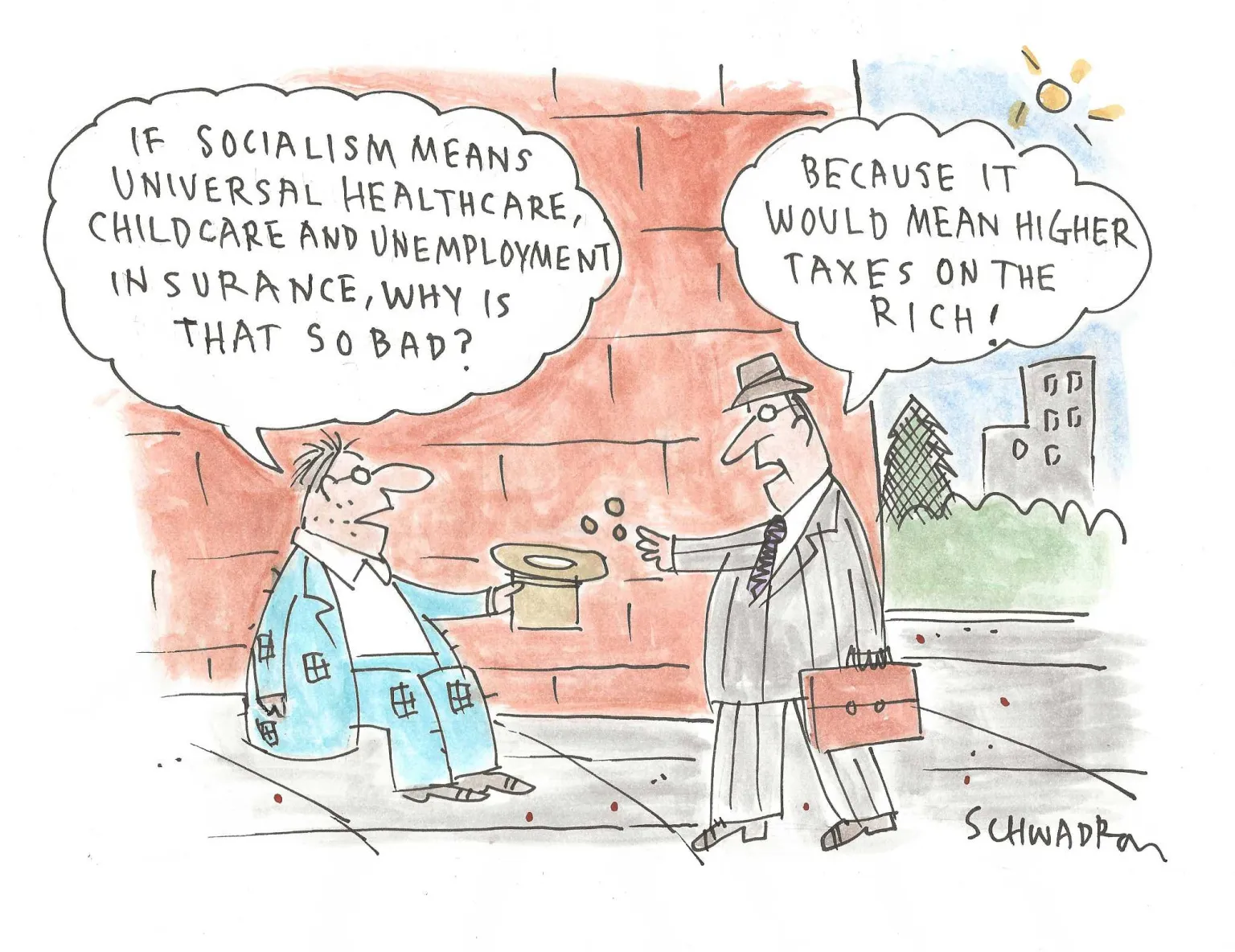
Editorial cartoons use satire and humor to comment on politics, global affairs, sports, climate and social issues.

New York City launched Macy’s July 4 fireworks early to beat storms as crowds celebrated the nation’s 250th anniversary.
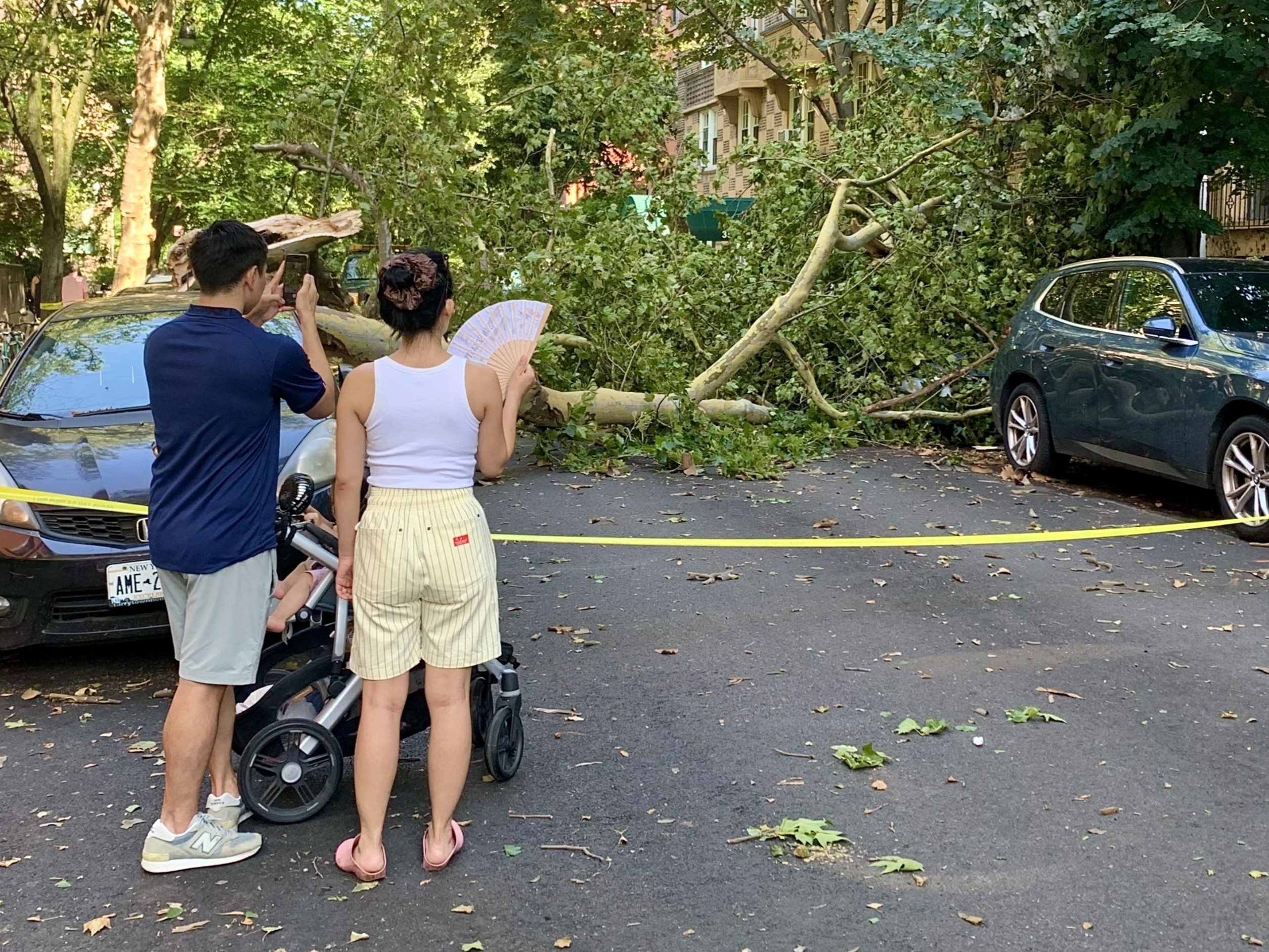
A powerful storm toppled trees across Brooklyn and NYC, damaging cars and parks as cleanup crews responded to widespread destruction.

Editorial cartoons mark the U.S. 250th anniversary with satire on politics, Trump, immigration and national identity.
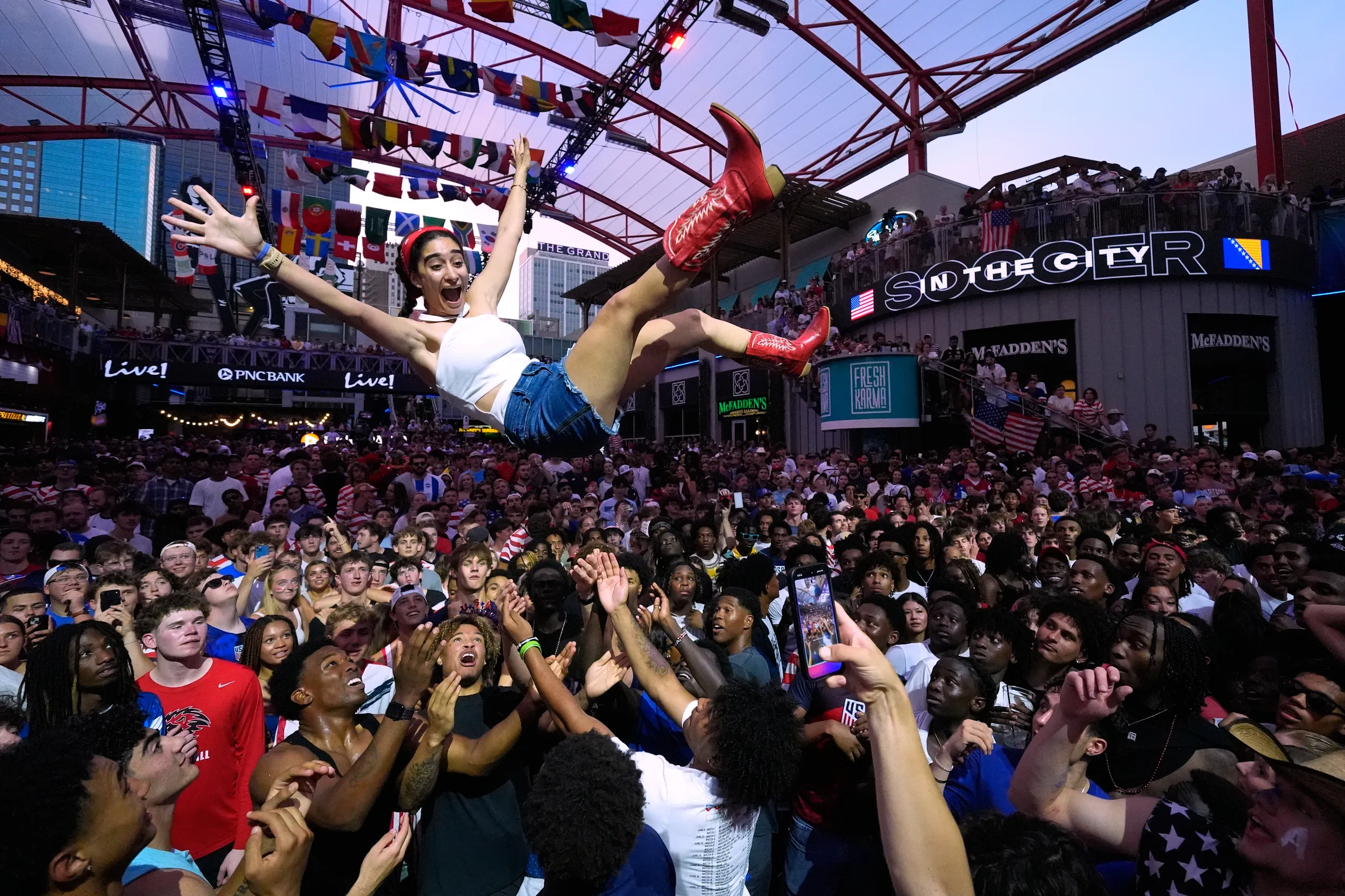
A global photo roundup captures sports, Pride celebrations, healthcare struggles, and political moments across the U.S., Europe, and Cuba.

Editorial cartoons use satire to comment on Trump, U.S. politics and the nation’s 250th anniversary celebrations.
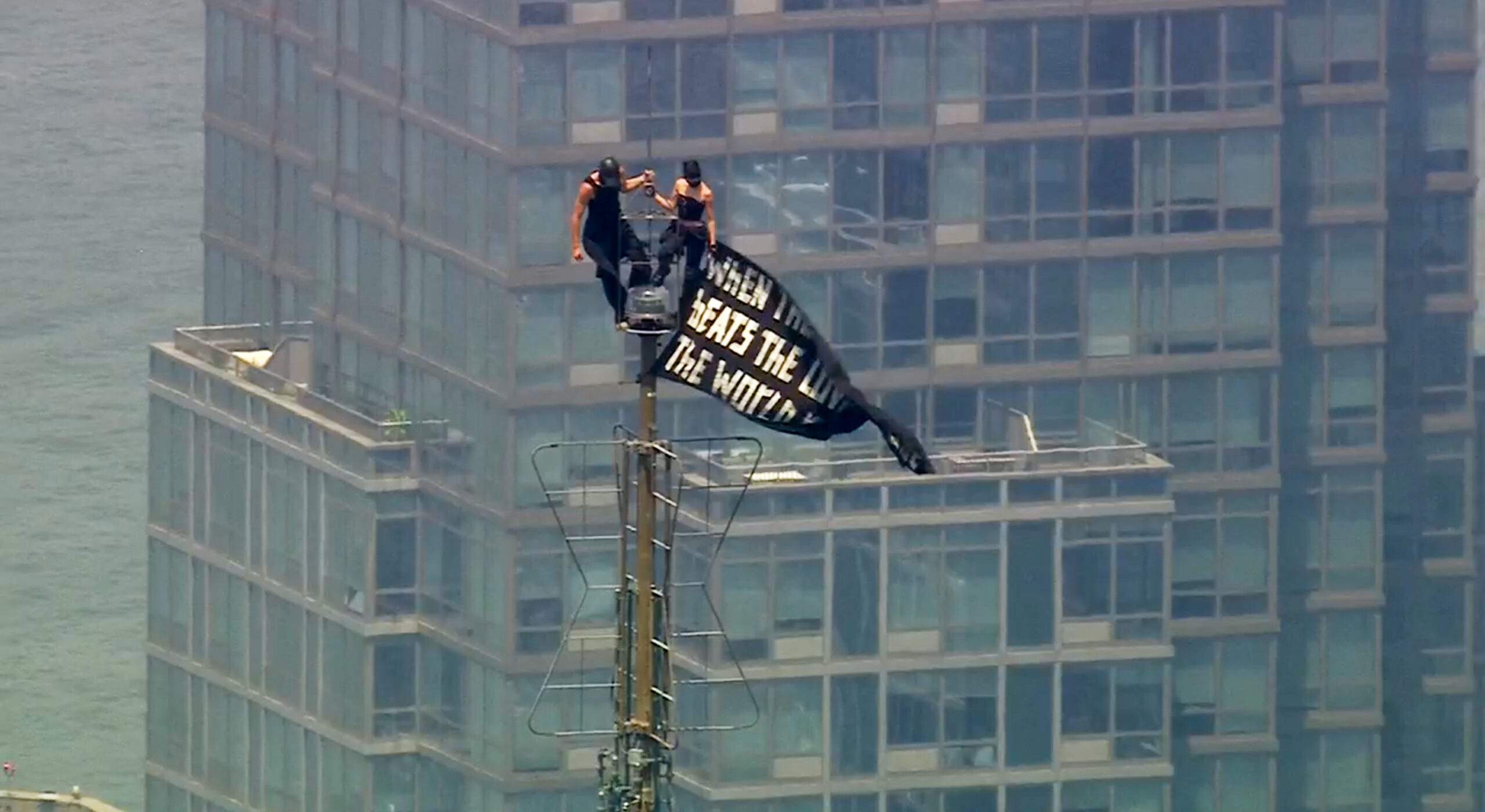
Police body camera video showed an officer calling out a greeting and explaining, “Well, you can’t be up here.”

Capt. Christopher Vincenti has been named commanding officer of Brooklyn’s 68th Precinct, succeeding Deputy Inspector John Dasaro.

Global photos capture cultural traditions, extreme weather, wildlife and sports fans from Indonesia to India, Europe and beyond.
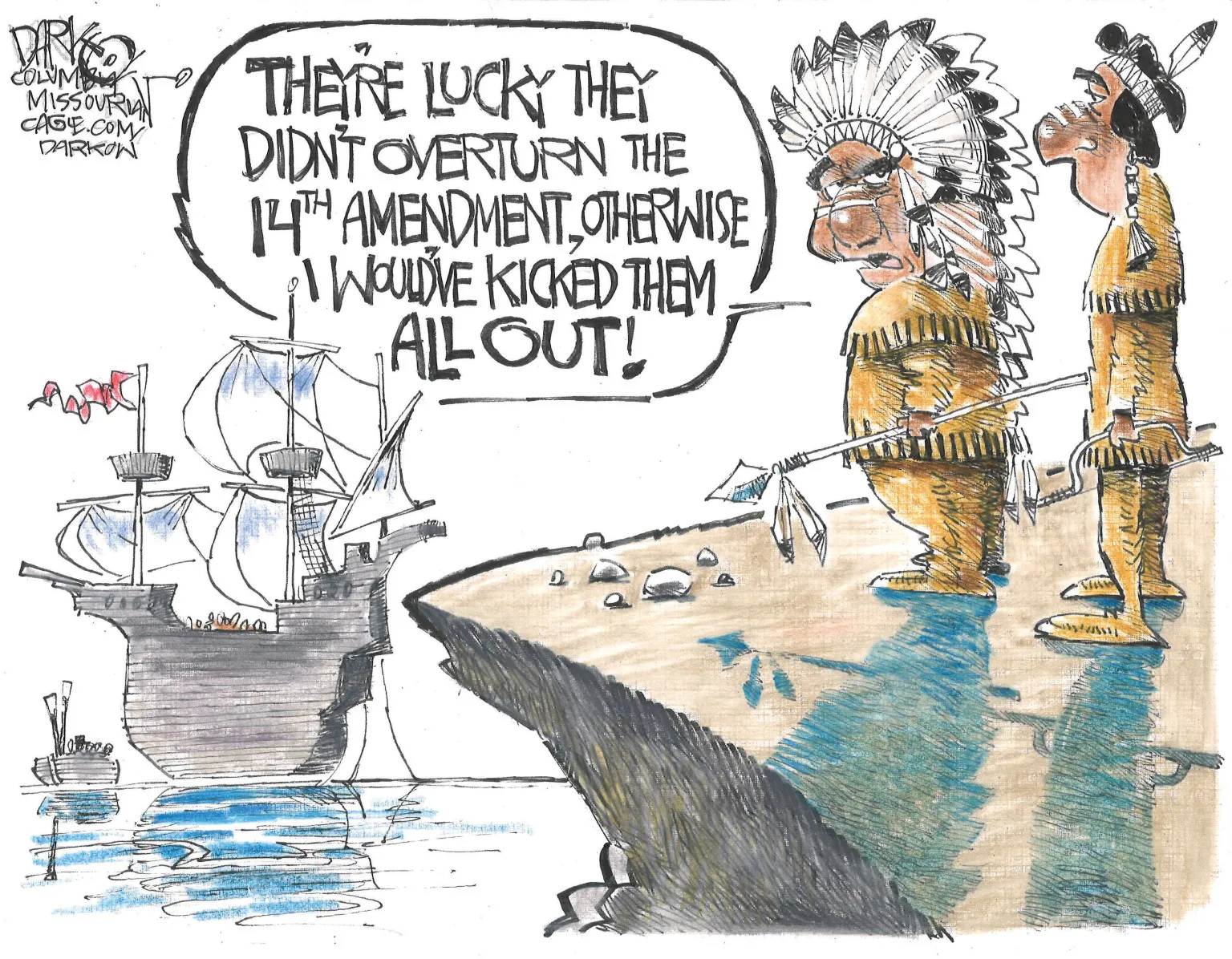
Editorial cartoons satirize U.S. politics, global conflicts, the economy and current events through humor and commentary.

Global images capture heatwaves, disaster recovery, and everyday life across Kashmir, Romania, Kenya, Venezuela, Ukraine and London.

A collection of editorial cartoons uses satire to comment on politics, global conflicts and current events worldwide.
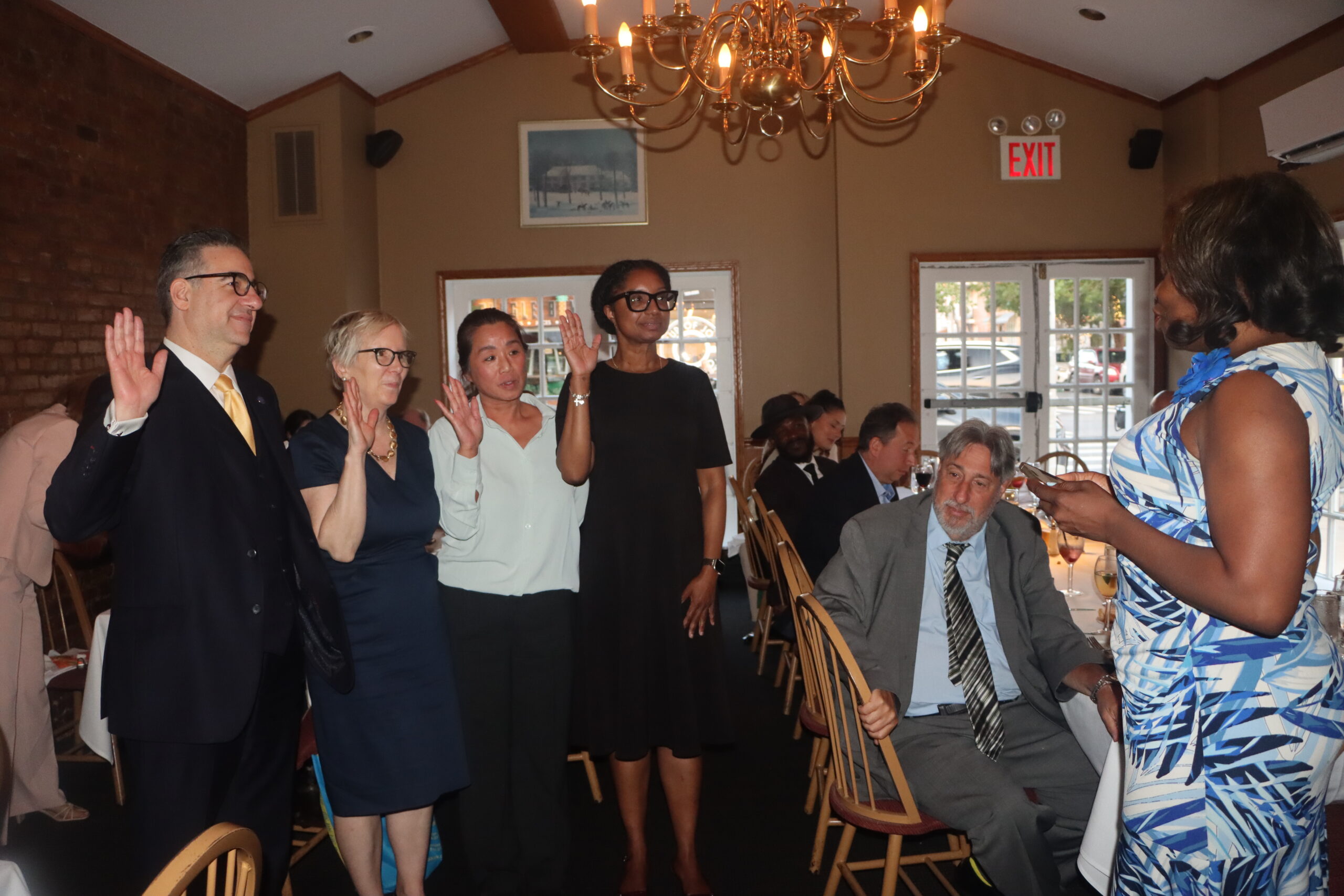
Brooklyn’s Nathan R. Sobel American Inn of Court installed new officers and celebrated a year of growth and mentoring.

Bay Ridge Lawyers Association enjoyed its annual Cyclones outing at Coney Island, celebrating fellowship and the end of the legal year.

A global photo roundup captures life from Nepal’s paddy festival to Wimbledon, India rituals, heatwave wildlife and sports fans worldwide.

The FIFA World Cup Fan Zone was unaffected by the crash and remained open through its normal closing time of 10 p.m.
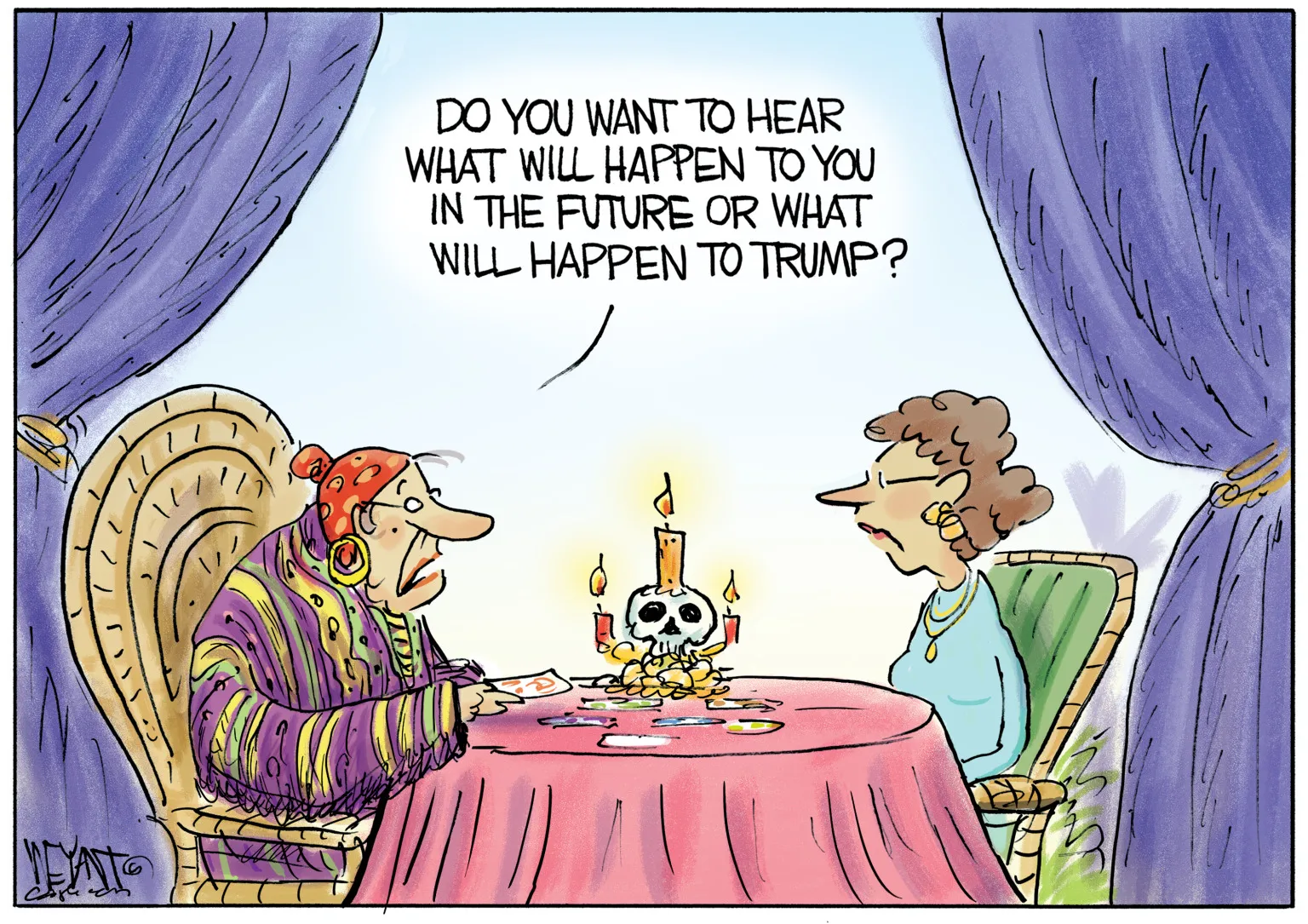
Editorial cartoons depict political reactions to Trump, U.S. policy, immigration and Supreme Court decisions in satirical illustrations.

Kings County Supreme Court Justice Richard Montelione reflects on his career, Pride Month and being openly gay on the Brooklyn bench.

Police identified the woman on the scooter as 53-year-old Neisha Atkinson of Brooklyn, and have charged her with several counts.

A global photo roundup captures wildlife, sports, Pride celebrations, weddings and life during summer heat around the world.

The Thomas Jefferson Democratic Club celebrated Primary Day as members looked ahead to the November general election.

Political cartoons take on housing affordability, climate change, the Israel-Iran ceasefire, Trump, Netanyahu, Elon Musk and SpaceX.